




Houthis capture Mokha, close in on Yemen’s Bab al-Mandeb coast
- In Reports
- 06:48 PM, Sep 10, 2026
- Myind Staff
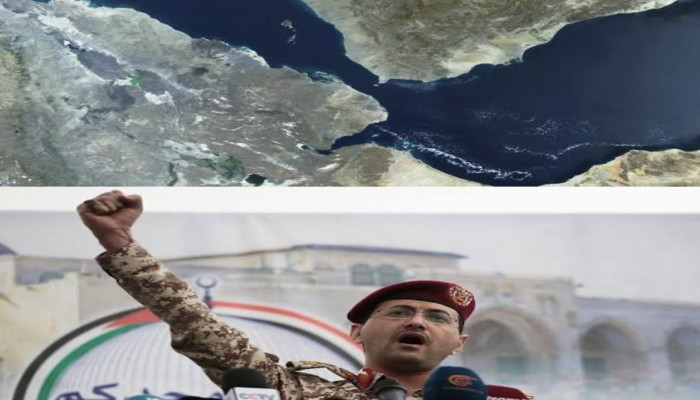
Iran-backed Houthi militants have seized the strategic port city of Mokha on Yemen’s west coast, Yemeni and Saudi officials said Thursday. The advance brings the group closer to the Bab al-Mandeb Strait, a key chokepoint for energy shipments through the Red Sea. The capture also expands Houthi control along a vital stretch of Yemen’s coastline.
The development raises fresh concerns for Saudi Arabia’s oil exports. Iran has already disrupted shipments through the Strait of Hormuz on the Arabian Peninsula’s eastern side. Saudi Arabia had maintained oil exports by moving crude across the desert to the Red Sea. Houthi attacks have now made that alternative route more difficult.
The Houthis captured Mokha after several days of heavy fighting with Saudi-backed Yemeni government forces. The conflict has intensified since early July. Earlier this week, the militants launched a major missile and drone attack on energy facilities and a military base in southern Saudi Arabia. The attack wounded dozens of people.
The fighting in Yemen has become the country’s worst conflict in years. The escalation follows the wider war between Iran and the US and adds to instability across the Middle East. It also increases the risk of further disruption to global energy supplies after Iran closed the Strait of Hormuz, triggering the worst oil-supply disruption in recent history.
The latest offensive is also pulling Saudi Arabia back into Yemen’s civil war. Riyadh had sought to move away from the conflict after a costly military intervention that began a decade ago. The campaign failed to remove the Houthis from power.
Saudi and Yemeni officials said the Houthis are now close to gaining control of most of the coast around the Bab al-Mandeb Strait. The waterway connects the Red Sea with major Saudi oil markets in Asia. Mokha also serves as an important resupply point for government forces. Further Houthi gains could disrupt their main supply routes to southern Yemen.
Tareq Saleh, vice chairman of Yemen’s Presidential Leadership Council, reported casualties among government troops after days of intense Houthi attacks. He also said he had ordered the creation of a fallback command centre at a secure location to reorganise government forces.
“It is a significant strategic setback for the Tareq Saleh-led National Resistance Forces and for the Saudi coalition,” said Umer Karim, a researcher on Gulf security at the U.K.’s University of Birmingham. “Houthis are now advancing towards securing a foothold over the Bab al-Mandeb, which will exponentially increase their leverage over maritime traffic passing through the strait.”
The Houthis receive weapons and training from Iran and its Islamic Revolutionary Guard Corps. They form part of a wider network of Iran-backed militias across the Middle East. The group has strengthened ties with Tehran in recent years but remains more independent than groups such as Lebanon’s Hezbollah.
The Houthis had largely stayed out of the current US-Iran war until a Yemen ceasefire collapsed in July. Fighting intensified after Saudi-led warplanes bombed Sanaa’s international airport to prevent a plane carrying Houthi officials from Iran from landing. The Houthis responded by declaring a blockade of nearby Saudi ports and launching attacks on shipping near Bab al-Mandeb.
Yemen descended into civil war in 2014 after the Houthis captured Sanaa following their advance from northern strongholds. The move came a few years after the 2011 Arab Spring uprising removed longtime ruler Ali Abdullah Saleh. Saudi Arabia intervened directly for more than six years and later continued supporting Yemen’s internationally recognised government. The conflict has since left Yemen effectively divided, with the Houthis controlling large parts of the north.



 Loading...please wait
Comments