




WTO grants India and Taipei extended deadline for ICT import duty dispute ruling until April 2025
- In Reports
- 05:11 PM, Oct 29, 2024
- Myind Staff
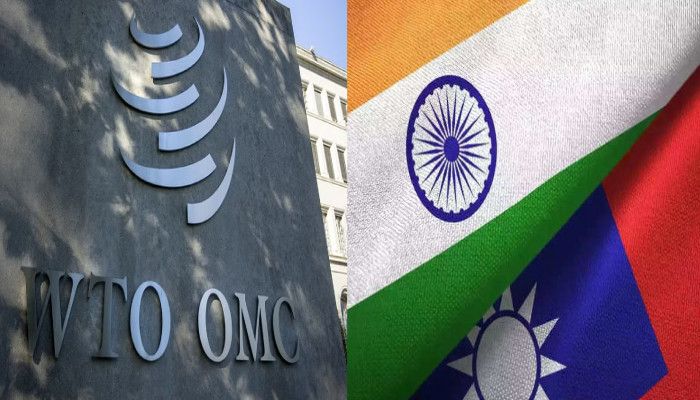
On Monday, the World Trade Organisation's dispute settlement body agreed to India and Chinese Taipei's request to delay adopting a ruling against New Delhi's import duties on certain information and technology products until April next year. Both sides are currently working to resolve the issue through mutual discussions, according to an official. The matter was discussed at a DSB meeting in Geneva.
According to the Geneva-based official, "the DSB agreed to the latest requests from Chinese Taipei and India." India and Chinese Taipei again asked the DSB to take more time to consider adopting the panel findings in the matter that was started by Chinese Taipei about India's tariffs on specific high-tech imports during the October 28 meeting. The two sides asked the DSB to delay reviewing the panel reports until October 28, 2024, to help resolve the disputes. They later requested another delay until April 25, 2025, to allow more time for resolving the issue, according to an official.
The dispute body had previously agreed to five requests from India and Chinese Taipei to delay reviewing the reports. According to WTO rules, the panel's ruling must be adopted by the Dispute Settlement Body (DSB) within 60 days of the order's release for it to be implemented. However, countries can jointly request the body to postpone the adoption of the ruling.
A WTO dispute panel reported on April 17, 2023, that India’s import duties on specific information and technology products go against international trade rules. This ruling came after the EU, Japan, and Taiwan filed a case with the WTO challenging these duties.
In May 2019, Chinese Taipei brought a case against India at the WTO regarding import duties India placed on certain electronic goods, including mobile phones, data transmission devices, and telephone parts. India argued that these products fall under the Information Technology Agreement (ITA-2) of the WTO, which it did not join. Instead, India is only a member of the earlier ITA-1 agreement, signed in 1997, which does not require it to remove customs duties on these products.
The Geneva-based, 166-member global body not only sets rules for international exports and imports but also settles trade disputes between member countries. According to WTO rules, if a member country believes a specific trade measure violates these rules, it can file a complaint with the organisation.
The first step in resolving a dispute is for both sides to discuss the issue together. If they can’t come to an agreement, either side can request the formation of a dispute settlement panel. This panel’s decision can be appealed at the WTO’s appellate level. However, the appellate body isn’t currently working because countries disagree on appointing its members, and many disputes are waiting for its attention. The United States has been blocking the appointment of new members.



 Loading...please wait
Comments