




‘Will go 10 extra miles’: Centre to Supreme Court on NEET question paper leaks
- In Reports
- 04:53 PM, Jul 24, 2026
- Myind Staff
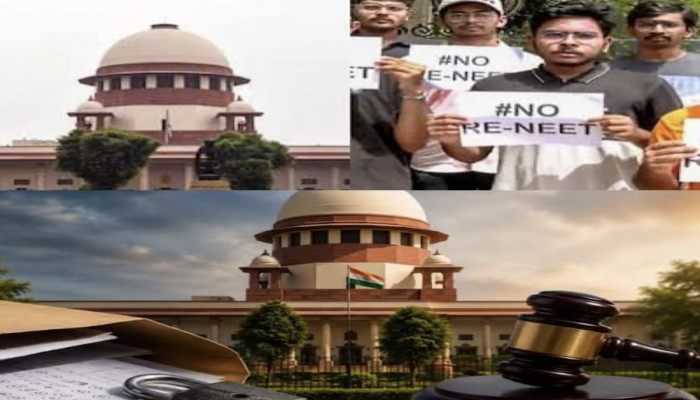
The Supreme Court on Friday said it will closely monitor the Centre's efforts to prevent question paper leaks in the National Eligibility-cum-Entrance Test (NEET). The court stressed that the country's biggest medical entrance examination needs permanent reforms. It said years of temporary arrangements have failed to solve the issue and called for a stronger and more reliable examination system.
The observations came after the Centre informed the court that it has introduced several strict measures to improve the security of the examination process. The government also assured the bench that it is ready to take every possible step to restore students' confidence in the system.
Solicitor General Tushar Mehta, appearing for the Centre, told the bench that "everything is being done under the supervision of the highest executive level" to stop paper leaks. He also assured the court that the government is willing to go "10 extra miles" to address the concerns raised by students and strengthen the examination process.
After hearing the Centre's submissions, the Supreme Court said it would keep a watch on the implementation of the proposed reforms. The bench referred to the temporary measures adopted for the current examination cycle and observed that "ad hocism has troubled for years." It said the government must move beyond short-term solutions and introduce long-term structural changes that can prevent such incidents in the future.
The court also focused on the National Testing Agency's plan to conduct NEET-UG in a computer-based test (CBT) mode from next year. It said the government must ensure strong cyber security and data protection measures before introducing the new system. The bench made it clear that digital examinations require secure technology and effective safeguards to protect the integrity of the examination.
The hearing forms part of several petitions filed before the apex court after the NEET-UG 2026 paper leak controversy. The alleged leak triggered protests across the country. Many students demanded greater accountability and stronger safeguards. The controversy also brought the functioning of the National Testing Agency under fresh public and legal scrutiny.
The Supreme Court's remarks came a day after Prime Minister Narendra Modi addressed the issue publicly for the first time. In a video message, he described exam leaks as "no ordinary matter" and assured students that the government would take strict action against those responsible. He said protecting the future of young people remains the government's top priority.
The Prime Minister also announced a series of measures to strengthen the examination system. These include setting up fast-track courts to deal with paper leak cases, introducing stricter punishment for offenders and putting stronger safeguards in place to prevent similar incidents in the future. The government aims to tighten the legal framework and improve the overall security of public examinations.
Earlier this year, the Supreme Court had criticised the National Testing Agency during earlier hearings related to the controversy. The court observed that the agency appeared not to have learnt lessons from previous examination-related issues. It also sought details of the reforms that the agency planned to introduce to improve transparency and security.
Following the court's observations, the National Testing Agency (NTA) proposed several major changes. These include enhanced surveillance at examination centres, mock drills before the examination, stronger security protocols and a gradual shift to computer-based testing for NEET-UG. Officials believe the new examination model will reduce the chances of paper leaks and improve the overall security of the examination process.
The proposed computer-based format is expected to follow the model already used for JEE Main. Experts believe this system can offer better monitoring, tighter security and improved control over the examination process. The Centre has indicated that the transition will take place gradually to ensure smooth implementation.
The government is also considering amendments to the Public Examinations (Prevention of Unfair Means) Act. The proposed changes include increasing jail terms for those involved in paper leak cases and establishing fast-track courts to ensure quicker trials. These measures form part of the Centre's wider effort to crack down on examination malpractice and strengthen public trust in the country's competitive examination system.
With the Supreme Court deciding to monitor the government's reform process, the focus will now remain on how quickly and effectively the proposed measures are implemented. The court has made it clear that lasting reforms, stronger security and greater accountability are necessary to protect the interests of millions of students who appear for NEET every year.



 Loading...please wait
Comments