




White House to extend Jones Act waiver, Trump explores ways to reduce gasoline prices
- In Reports
- 06:42 PM, Aug 05, 2026
- Myind Staff
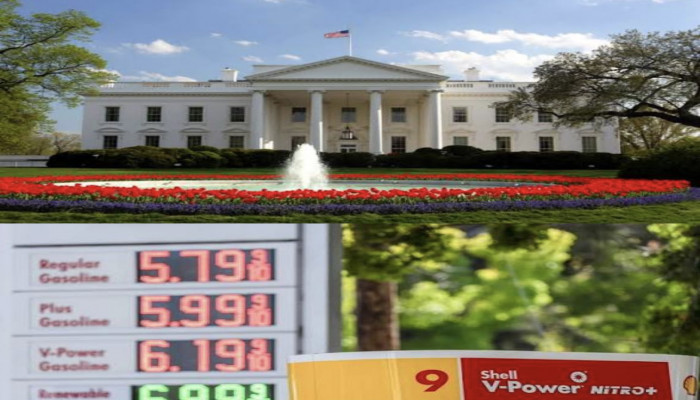
The White House is expected to extend the temporary waiver of the century-old Jones Act in the coming days as the Trump administration continues its efforts to reduce gasoline prices across the United States. The move comes at a time when President Donald Trump has intensified his criticism of oil giants Exxon Mobil and Chevron, accusing them of making excessive profits while fuel prices remain high.
The Jones Act requires all cargo transported between U.S. ports to travel on ships that are built in the United States, owned by American companies, and operated by American crews. The current waiver gives companies greater flexibility to move fuel by allowing the use of foreign vessels in certain situations. Officials believe this has helped improve fuel transportation and reduce supply bottlenecks, which can influence gasoline prices.
The oil industry had expected the waiver to be extended by the end of July. However, administration officials continued discussions with lawmakers and representatives from the maritime industry before making a final decision. According to three people familiar with the talks, the administration has been considering changes that would narrow the waiver's scope while still allowing enough flexibility to move essential fuel supplies. The sources requested anonymity since they were not authorised to speak publicly.
The existing waiver will expire on August 16. It has already become the longest suspension of the Jones Act in the history of the programme. U.S. government data shows authorities used the exemption nearly 200 times during the four-and-a-half months leading up to the end of July.
The administration is searching for more ways to bring down gasoline prices, which currently average more than $4 per gallon across the United States. High fuel costs remain a major concern ahead of the midterm elections scheduled for November. The government has already taken several steps to increase oil supplies and provide regulatory flexibility. On Monday, Trump also increased pressure on Exxon Mobil and Chevron by saying the companies should return money to consumers through lower prices at the fuel pump.
Exxon Mobil and Chevron did not respond to requests for comment on the president's remarks.
U.S. Energy Secretary Chris Wright said the waiver had already helped lower energy prices in California and along the East Coast. Speaking to reporters in Brownsville, Texas, on Tuesday, he indicated another extension was likely and expressed confidence that fuel prices would continue to fall in the coming weeks.
"President Trump believes in markets and he believes in capitalism. But he'll use every tool he has, including the bully pulpit, to try to encourage and put pressure to lower energy prices for Americans," Wright said at a press conference when asked about Trump's comments on Exxon and Chevron.
Energy experts believe the waiver can provide some relief, although its overall impact may remain limited. Bob McNally, president of Rapidan Energy Group, said the most effective way for any U.S. president to reduce fuel prices would be convincing Saudi Arabia to increase oil production. However, he said that option is currently not practical as exports remain restricted due to disruptions around the Strait of Hormuz linked to the conflict involving Iran.
McNally also said other proposals such as a windfall profits tax, gasoline price controls, or legal action against oil companies are either politically difficult, economically risky, or unlikely to significantly reduce fuel prices. According to him, the Jones Act waiver increases the number of tankers available to transport fuel, but its direct impact would probably lower gasoline prices by only a few cents per gallon.
Several groups that support the U.S. maritime industry have criticised the proposed extension. Opponents want the administration to impose geographical limits on the waiver and review each shipment more carefully before granting exemptions.
Several senior officials have taken part in discussions over the future of the waiver. They include White House trade adviser Peter Navarro, Office of Management and Budget Director Russell Vought, and members of the White House Energy Dominance Council. Sources familiar with the discussions said no final decision has been made and the details could still change.
Senior Republican lawmakers have also urged the administration to restrict the waiver instead of expanding it. House Speaker Mike Johnson and House Majority Leader Steve Scalise have warned that frequent use of broad exemptions could weaken the country's domestic shipping industry and reduce the national security benefits provided by the Jones Act.
A White House official said the administration continues to monitor how companies are using the waiver and discussions remain ongoing. The official added that any future announcement will come directly from President Trump or the administration.
Maritime organisations have stepped up their campaign against another extension. The American Maritime Partnership has resumed television advertisements on CNBC and Fox News. The group has also launched digital advertising with the American Waterways Operators to oppose the continued suspension of the Jones Act.
American Maritime Partnership President Jennifer Carpenter argued that the waiver has largely benefited foreign shipping companies and energy firms rather than American consumers.
“The waiver has shifted routine domestic commerce to foreign operators, including entities linked to China and Russia, while undermining the U.S. maritime industrial base," Carpenter said.



 Loading...please wait
Comments