



‘We’re the only nation to lose mariners at Hormuz’: India at virtual summit on Iran war
- In Reports
- 06:15 PM, Apr 03, 2026
- Myind Staff
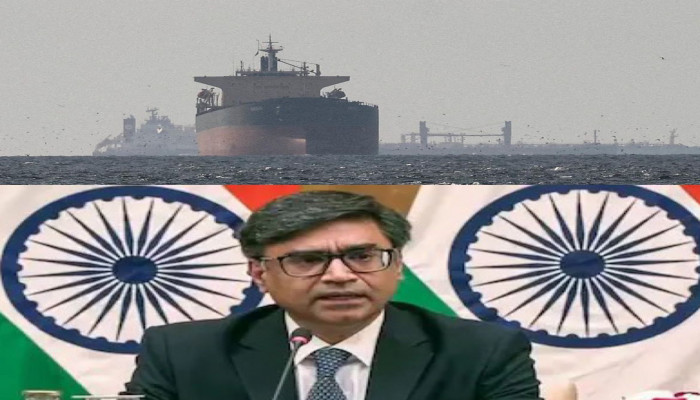
India has called for the reopening of the Strait of Hormuz during a virtual international meeting hosted by the United Kingdom, highlighting growing concerns over energy security as tensions in the Middle East continue to disrupt global fuel supply chains. The high-level meeting brought together representatives from more than 60 countries to discuss ways to ensure safe navigation through one of the world’s most crucial oil transit routes. India’s participation underlined the seriousness of the situation for countries heavily dependent on energy imports.
At the summit, India’s Foreign Secretary Vikram Misri emphasised the importance of maintaining open and secure international waterways. He stated, "freedom of navigation and unimpeded transit through international waterways" as a key priority during the discussions. He also pointed out that "India remains the only country to have lost mariners in attacks on merchant shipping in the Gulf," drawing attention to the human cost of the ongoing crisis. Misri further stressed the urgent need for de-escalation and a return to diplomatic dialogue, noting the direct impact the situation is having on India’s energy needs.
The meeting, however, did not lead to any concrete agreement on reopening the Strait of Hormuz or ensuring safe passage for ships. Officials indicated that while discussions were constructive, there is still uncertainty about how and when normal operations can resume. Concerns have also been raised about the role of the United States in maintaining maritime security in the region. A day before the meeting, US President Donald Trump stated that military actions against Iran would continue, but he did not outline any clear plan to reopen the vital waterway. Instead, he suggested that responsibility should lie with countries that depend on oil passing through the strait.
The ongoing disruption has had a significant impact on global oil supply chains, which in turn has affected fuel prices in India. The government has responded by announcing a cap on monthly increases in aviation turbine fuel prices for domestic flights, limiting the rise to 25 per cent. This decision aims to shield airlines and passengers from the sharp increase in operating costs caused by record-high fuel prices.
Just a day earlier, the Indian government had already intervened to control the surge in aviation fuel prices. Public sector oil companies in India have more than doubled the cost of aviation turbine fuel, putting pressure on airlines and raising concerns about higher airfares. Reports indicate that in New Delhi, the price of jet fuel has reached Rs 207,341.22 per kilolitre. For international flights, the price has risen even more sharply, increasing by 107 per cent.
Oil companies in India revise fuel prices at the beginning of each month based on market conditions. The current spike is largely driven by disruptions in the Middle East, which have affected supply routes and created uncertainty in the global energy market. Another contributing factor is the weakening of the Indian rupee, which has recorded its worst performance in 14 years. A weaker currency makes oil imports more expensive, adding further pressure on domestic fuel prices.
The situation has created a challenging environment for India, which relies heavily on imported oil to meet its energy demands. The blockage or disruption of the Strait of Hormuz, a key passage for a significant portion of the world’s oil shipments, poses a serious risk to energy security. This is why India has been actively engaging in international discussions to push for stability and the restoration of normal shipping operations.
As tensions continue in the region, the lack of a clear resolution adds to global uncertainty. India’s call for diplomatic efforts and secure maritime routes reflects the concerns of many nations affected by the crisis. The coming days will be crucial in determining whether international cooperation can lead to a breakthrough in reopening the Strait of Hormuz and stabilising energy markets.



 Loading...please wait
Comments