



US urges India to absorb 100 million barrels of Russian oil waiting for China
- In Reports
- 05:10 PM, Mar 09, 2026
- Myind Staff
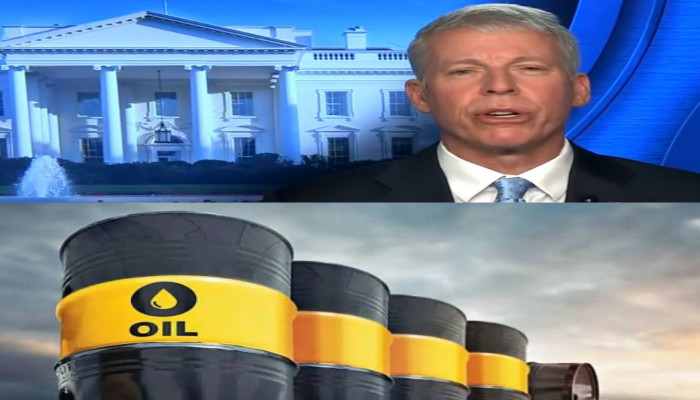
The United States has urged India to purchase and process more than 100 million barrels of Russian crude oil currently floating offshore, waiting to be delivered to refineries in China. The proposal comes at a time when global oil markets are facing pressure due to rising prices and disruptions in shipping routes linked to tensions involving Iran.
US Energy Secretary Chris Wright requested India during interviews on CNN and CBS News. Wright explained that redirecting the oil cargoes to Indian refineries could be a short-term solution to stabilise global oil markets and ease fears of supply shortages.
According to Wright, he and US Treasury Secretary Scott Bessent personally contacted Indian officials about the possibility. They highlighted that a large quantity of Russian oil is currently waiting at sea because Chinese ports are facing delays in unloading cargo.
The oil shipments, originally headed for Chinese refineries, may take as long as six weeks before they can be unloaded. During this waiting period, dozens of tankers remain at sea carrying Russian crude.
Wright suggested that India could redirect these shipments and refine the oil instead. According to the US administration, such a move could quickly ease market concerns, reduce price spikes, and prevent panic in global energy markets without changing the overall supply situation.
India is the world’s third-largest importer of oil and has become one of the biggest buyers of Russian crude since the conflict in Ukraine began in 2022. After Western countries reduced purchases from Russia, Moscow increased exports to Asian markets, especially India and China.
In recent years, India has significantly increased imports of discounted Russian oil to meet its energy demand. In 2025, Russian crude made up nearly 40 per cent of India’s seaborne oil imports. Large Indian refineries, including those operated by Reliance Industries and Indian Oil Corporation, have been processing substantial volumes of Russian crude efficiently.
The US proposal comes at a time when tensions in the Middle East are affecting global shipping. The situation has particularly impacted the Strait of Hormuz, a critical route through which around 20 per cent of the world’s oil supply moves.
Due to the conflict involving Iran, tanker traffic through the Strait dropped well below normal levels. Although some shipments have started moving again, the situation has caused volatility in global oil prices.
Wright explained that the market reaction has added what he called a “fear premium” to prices. Brent crude recently rose above $85 per barrel amid the uncertainty.
He also said the disruption may take time to fully stabilise. However, he indicated that the recovery could take weeks rather than months.
Despite the disruptions, Wright stressed that global energy supplies remain sufficient. He stated that the world is “very well supplied” with both oil and natural gas. According to him, output from US shale producers and production quotas from the OPEC+ group provide enough supply buffers for the market.
A report from the International Energy Agency supports this assessment. The agency has projected that the global oil market could see a surplus of about 1.2 million barrels per day through mid-2026, as long as the Middle East conflict does not escalate further.
Meanwhile, the large volume of Russian crude floating offshore highlights the shift in global energy trade following Western sanctions on Moscow. Since European buyers reduced purchases, Russia redirected exports toward Asian markets.
Chinese independent refineries, often known as “teapot” refiners, have been major buyers of these shipments. However, congestion at ports and scheduling delays have created a backlog of tankers waiting to unload.
Satellite tracking data from energy analytics firm Vortexa shows that more than 110 million barrels of Russian crude were floating at sea in early March 2026 while waiting for delivery slots.
For India, the US proposal could provide several advantages. Indian refineries already have experience processing Urals-grade Russian crude and also have spare refining capacity.
Accepting these cargoes could help India avoid buying expensive oil on the spot market. Analysts estimate that redirecting the shipments could lower benchmark oil prices by about $2 to $3 per barrel if implemented quickly.
However, expanding purchases may require India to scale up existing payment mechanisms. These include rupee-rouble trade arrangements and financial channels routed through intermediaries based in the United Arab Emirates.
The situation also reflects the limits of Western sanctions on Russian energy exports. Although the US and its allies continue to enforce a G7 price cap of $60 per barrel on Russian oil, the market reality has forced some flexibility in approach.
The proposal also highlights evolving geopolitical dynamics between Washington and New Delhi. While the US has publicly criticised India’s growing purchases of Russian crude in the past, it is now seeking India’s cooperation to stabilise energy markets affected by Middle East tensions.
India has previously taken similar steps. During disruptions in the Red Sea in late 2024, New Delhi purchased delayed Russian cargoes and increased its reserves before winter demand could peak.
India’s Commerce Minister Piyush Goyal has indicated that the government prioritises energy security during uncertain times. He previously said that “energy affordability trumps ideology.”
If India agrees to the US request, it could redirect between 10 and 15 Very Large Crude Carriers that were originally headed for Chinese ports. Such a move could reduce the number of tankers waiting offshore and help calm global oil markets.
The development also shows India’s growing role in global energy trade. By absorbing surplus shipments, the country could help balance supply flows during periods of market disruption.
At the same time, the situation highlights how dependent global oil supply chains remain on key shipping routes and political stability in major producing regions.



 Loading...please wait
Comments