




US troops leave Iraq after 20 years, raising fears of Iran’s growing influence
- In Reports
- 10:45 PM, Sep 29, 2026
- Myind Staff
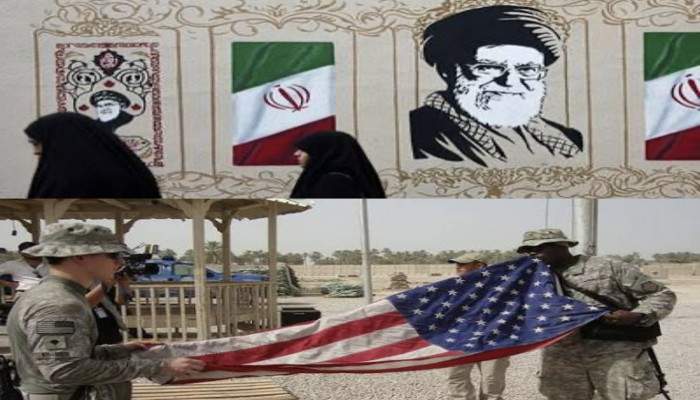
US forces are set to leave their last bases in Iraq by Wednesday, ending a military presence that began more than two decades ago. Iran and its allies have welcomed the withdrawal as a victory. Iraqi security experts, however, warn that the move could strengthen Tehran-backed groups and create space for Islamic State to regroup.
The withdrawal was agreed in 2024 under then-President Joe Biden and is being carried out by Donald Trump’s administration while the US is also fighting Iran. Around 4,500 Americans have died during more than two decades of war in Iraq.
“Iran stands to benefit strategically from the coalition's departure because it removes a military presence that for years acted as a counterweight to Tehran's influence in Iraq,” said Jasim al-Bahadli, an Iraqi security analyst who studies armed Shi'ite groups aligned with Iran.
He said pro-Iranian militia groups could present the withdrawal as a victory and “seek to translate that momentum into greater influence over security and political decision-making”.
Abu Mojtaba al-Yasiri, a commander in the Islamic Resistance in Iraq, called the withdrawal “a historic victory for the Iraqi Islamic resistance groups and honourable Iraqis, and a crushing defeat for the American project”.
“On September 30, we will celebrate the turning of a black page in Iraq’s history and the failure of the occupation to impose its will on our country,” he told Reuters. “Iraq has asserted that foreign forces can’t secure its sovereignty, but by resistance and the will of its people.”
The withdrawal remains a concern for some Iraqis who fear the Iran-backed groups have become too powerful. “We believe Iraq is still not fully ready to take over the security file at this time,” Abdulrahman al-Zobaie, a Sunni tribal leader from Fallujah, told Reuters.
“All Iraqis aspire to full sovereignty, and no Iraqi would dispute that. But I believe that the (US-led coalition) leaving in this way and creating a vacuum is what all Iraqis fear.”
US forces invaded Iraq in 2003 to remove Saddam Hussein. They occupied the country, helped establish a Shi'ite-led government and fought a long counterinsurgency. American troops withdrew in 2011 but returned less than three years later to help Iraqi forces defeat Islamic State between 2014 and 2017.
The US military presence also became a flashpoint in tensions between Washington and Tehran. The US killed Iranian commander Qasem Soleimani in a 2020 strike near Baghdad Airport. Iran-backed groups repeatedly attacked US bases, prompting American reprisals.
During this year's war against Iran, seven of the 18 US service members listed as killed were in Iraq. The latest was an army sergeant who died while a drone was being destroyed at a base near Erbil in July.
Iran has described the US withdrawal as a victory for its regional “axis of resistance”. Amir Hayat Moqaddam, deputy chairman of Iran's parliamentary National Security Commission, said, “Lasting security will prevail in Iraq” once American forces leave Iraq and the region.
The withdrawal has also raised concerns over the Islamic State. Iraqi and Kurdish officials say the group still maintains sleeper cells despite losing its territory. Kurdish commander Sirwan Barzani said reduced US intelligence, logistical support and drone capabilities could help the group regroup.
Iraqi security forces also said a suspected Islamic State cell was preparing suicide attacks to coincide with the withdrawal. Colonel Khalid al-Bayati, a senior security official in Kirkuk, said Islamic State “is seeking to send a message that the group is still powerful and capable of launching bloody attacks”.



 Loading...please wait
Comments