




US tightens pressure on Iran, targets airlines and Hormuz operations
- In Reports
- 05:57 PM, May 29, 2026
- Myind Staff
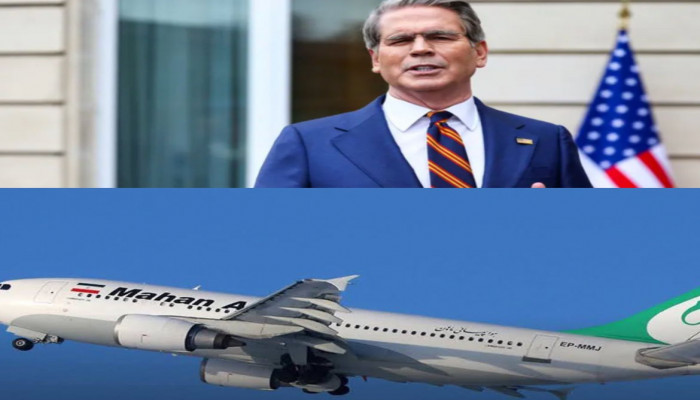
The United States has announced fresh measures against Iran as tensions between the two countries continue to rise over the Strait of Hormuz and ongoing diplomatic negotiations. US Treasury Secretary Scott Bessent said Washington will stop Iranian airlines from accessing landing slots, refuelling services, and ticket sales as part of a broader effort to increase pressure on Tehran.
In a post on X on Thursday, Bessent stated that the United States will “be shutting down both Iranian airlines' access to landing spots, refuelling, and ticket sales,” but he did not mention the names of the airlines involved. His statement marks another step in the US campaign aimed at increasing economic and operational pressure on Iran.
Iran’s national carrier, Iran Air, was already designated for sanctions earlier by the US State Department. Another Iranian airline, Mahan Air, has also faced multiple sanctions from Washington in the past due to alleged links with activities opposed by the United States.
Speaking later at a press briefing, Bessent clarified that the new restrictions would still allow certain exceptions. He said the United States was not going to “restrict movement for religious reasons, so Iranians who want to make the pilgrimage to Mecca or Medina will be allowed.”
“We will also allow valid humanitarian reasons,” he added.
The latest announcement comes a day after the US Treasury Department imposed sanctions on Iran’s newly formed “Persian Gulf Strait Authority.” According to Washington, the agency was created by Tehran to collect fees from ships passing through the Strait of Hormuz, one of the world’s most important maritime trade routes for oil and energy transport.
The Strait of Hormuz has remained at the centre of growing regional tensions after Iran effectively closed the waterway following US-Israeli strikes on Iranian targets that began on February 28. The closure has disrupted global energy supplies and caused fuel and energy prices to increase sharply in international markets.
The United States views the situation as a major threat to global trade and energy stability. Washington has repeatedly called for the reopening of the strategic waterway, which handles a significant portion of the world’s oil shipments every day.
Although a ceasefire between US and Iranian forces has been in place since April 8, tensions remain high. Diplomats from different countries are currently trying to push both sides toward a negotiated settlement to avoid a wider regional conflict.
However, despite the ceasefire efforts, the situation continues to remain unstable. The United States and Iran exchanged strikes again on Thursday, showing that military tensions have not fully eased even as talks continue in the background.
Bessent warned that the pressure campaign against Tehran would continue unless progress is made through diplomacy. “Only a satisfactory outcome in negotiations will end the downward spiral,” he said.
The latest measures against Iranian airlines and maritime operations indicate that Washington is trying to increase both economic and strategic pressure on Tehran while continuing negotiations. Analysts believe the restrictions could further isolate Iran’s aviation sector and add to the economic challenges already faced by the country under existing international sanctions.
At the same time, the ongoing crisis around the Strait of Hormuz remains a major concern for global markets and international powers because of its importance in world energy trade. Any prolonged disruption in the region could continue to affect oil prices and global shipping operations in the coming weeks.



 Loading...please wait
Comments