




US strikes leave 20,000 Iranians without drinking water amid intense summer heat
- In Reports
- 06:16 PM, Jun 10, 2026
- Myind Staff
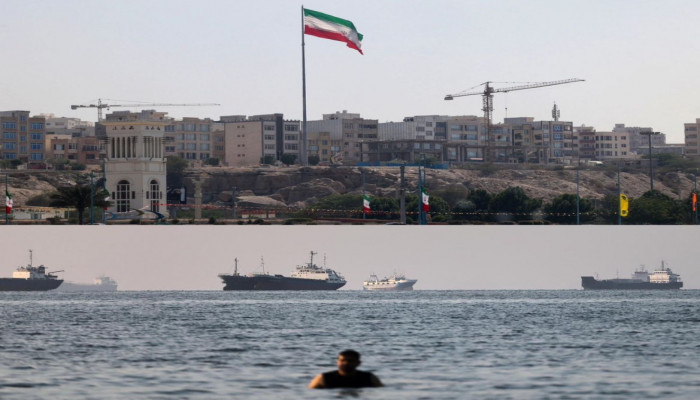
Around 20,000 people in southern Iran have lost access to safe drinking water after US strikes damaged two water reservoirs in the port town of Sirik, according to Iranian state media.
The incident took place after the United States launched strikes on the southern Iranian cities of Jask and Sirik, as well as Qeshm Island in the Strait of Hormuz. Washington said the operation was carried out in response to Iran's alleged downing of a US Army Apache helicopter over Gulf waters.
The strikes hit two reservoirs that supplied water to the Bemani and Kouhestak areas of Sirik. The damage disrupted the region’s water distribution system and left thousands of residents without a reliable source of drinking water.
Iranian officials said the situation has become serious because of the extremely high temperatures in the area. State television quoted local water company officials as saying, “Unfortunately, following this attack, 20,000 residents of the region have lost access to safe drinking water, and with temperatures ranging between 45°C and 50°C, conditions have become extremely difficult and critical for local inhabitants.”
Officials added that the destruction of the reservoirs has severely affected the local water network. They said, “The destruction of these reservoirs has created a major problem for the region’s water supply network,” while noting that the area does not have enough groundwater resources to make up for the loss of the damaged reservoirs.
The lack of alternative water sources has increased concerns for residents living in the affected villages. Authorities are now working to address the crisis and restore access to water as quickly as possible.
Abdolhamid Hamzehpour, a senior official with the water company in Iran’s southern Hormozgan province, said efforts were underway to find alternative solutions for villages impacted by the strikes. Emergency measures are being considered to support communities facing water shortages during the intense summer heat.
Iran strongly condemned the US operation and described the strikes as being carried out “under false pretext.” Tehran rejected Washington’s justification for the attacks and accused the United States of escalating tensions in the region.
In response, Iran launched missile and drone attacks targeting what it claimed were US military bases in Bahrain, Jordan, and Kuwait. The exchange has further raised concerns about growing instability in the Gulf region and the possibility of a wider conflict.
The damage to critical civilian infrastructure and the resulting water shortage have added a humanitarian dimension to the ongoing tensions. For thousands of residents in Sirik and nearby villages, the immediate concern remains access to safe drinking water as authorities continue efforts to manage the crisis.



 Loading...please wait
Comments