




US Senate votes Russia Sanctions Bill with 100% tariff provision targeting India, China
- In Reports
- 02:00 PM, Jul 29, 2026
- Myind Staff
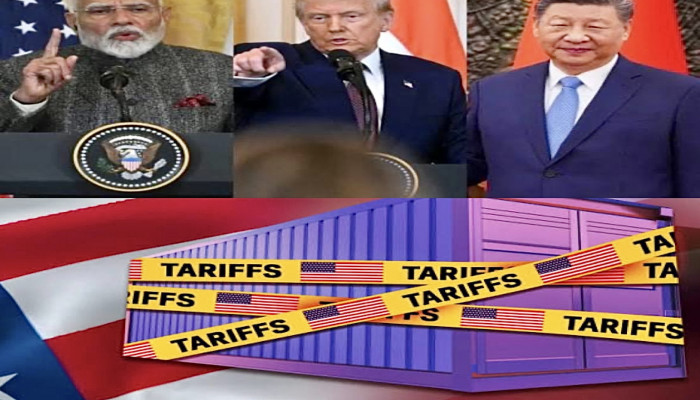
The US Senate has moved forward with a bipartisan bill that aims to impose tougher sanctions on Russia and increase pressure on countries that continue to purchase Russian energy. The proposed legislation gives US President Donald Trump the authority to impose tariffs of up to 100 per cent on goods imported from the world's largest buyers of Russian oil and natural gas, including India and China. The bill also expands sanctions related to Iran and marks a significant step in Washington's efforts to tighten economic pressure on Moscow.
The Senate advanced the legislation after it received strong bipartisan support. The bill passed the required 60-vote threshold with an 86-12 vote. Nearly all Republican senators voted in favour of the measure. A majority of Democratic senators also backed it. The outcome reflects broad political support for stronger action against Russia, although some lawmakers have expressed concerns about certain provisions.
The Senate vote came only hours after lawmakers paid tribute to Senator Lindsey Graham, who died suddenly earlier this month. Graham strongly supported tougher sanctions on Russia and spent more than a year building support for the legislation. Senators also met Ukrainian President Volodymyr Zelensky at the US Capitol during his visit to honour Graham. The Republican senator remained one of the strongest critics of Russian aggression throughout the Ukraine conflict.
The proposed legislation targets several areas linked to Russia's economy. It seeks to impose sanctions on Russian government officials, wealthy oligarchs, financial institutions and the so-called shadow fleet. Authorities say this fleet helps Russia avoid restrictions placed on its oil exports. Supporters of the bill believe these measures will make it harder for Moscow to continue earning revenue from energy exports.
The bill also allows President Trump to impose tariffs of up to 100 per cent on goods imported from countries that continue buying large amounts of Russian oil and natural gas. India and China are among the countries that could face these tariffs under the proposed law. Lawmakers included this provision to increase pressure on major buyers of Russian energy and reduce Moscow's export income.
At the same time, the legislation includes exemptions for certain countries. It states that nations importing less than 15 per cent of their natural gas from Russia and taking steps to reduce those imports will not face the proposed tariff measures. Lawmakers added this provision to recognise countries that are actively lowering their dependence on Russian energy.
The revised version of the bill also expands existing sanctions targeting Iran. It strengthens the authority to restrict funding connected to Iran's energy and weapons sectors. Reports indicate that lawmakers added these provisions at President Trump's request during discussions on the final version of the legislation.
The legislation carries Senator Lindsey Graham's name in recognition of his role in developing it. Graham worked closely with lawmakers from both parties to build support for the measure. Shortly before his death, he reached an agreement with the White House on a revised version of the bill. Supporters have described the legislation as one of his most significant policy efforts.
Backers of the proposal argue that stronger sanctions remain necessary to reduce Russia's energy earnings. They believe limiting this source of income will weaken Russian President Vladimir Putin's ability to continue financing the war in Ukraine, which has now entered its fifth year.
Several senators also linked the legislation to Graham's legacy. In a joint statement, six Republican and Democratic senators said, "There is no greater way to honour Senator Graham's legacy than to move forward with this bipartisan agreement."
Although the bill received broad support, not every lawmaker agreed with all of its provisions. Some Democratic senators raised concerns over the tariff section. They argued that giving President Trump broad authority to impose tariffs could increase import costs for American consumers. They also warned that the move could affect European allies that maintain trade ties with countries purchasing Russian energy.
The legislation has not yet become law. The bill must still receive final approval in the Senate before moving to the House of Representatives. Only after both chambers approve the legislation can it reach President Trump's desk for his signature.
The timeline for final approval remains uncertain. The House of Representatives has already adjourned for its summer recess and lawmakers are not expected to return until September. As a result, the House is unlikely to consider the bill before then. Until both chambers complete the legislative process, the proposed sanctions and tariff provisions will remain under consideration rather than take immediate effect.



 Loading...please wait
Comments