




US Senate passes Russia Sanctions Bill: India could face 100% tariffs on exports
- In Reports
- 02:58 PM, Aug 08, 2026
- Myind Staff
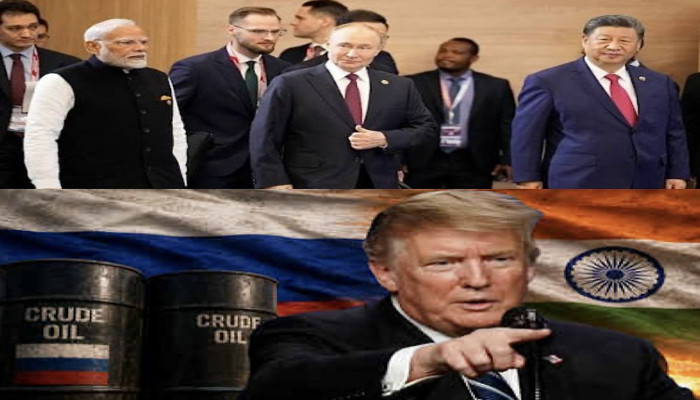
The US Senate has passed a major sanctions Bill targeting Russia and countries that continue to buy large amounts of Russian oil and gas. India and China are among the countries that could face higher tariffs under the proposed legislation. The measure could give US President Donald Trump new powers to impose tariffs of up to 100 per cent on goods from countries that remain major buyers of Russian energy.
The Senate passed the Bill, renamed the Lindsey O. Graham Sanctioning Russia and Iran Act of 2026, by an 86-11 vote. The legislation aims to put further pressure on Moscow over its war in Ukraine. It targets Russia as well as countries that purchase its petroleum products. The Bill argues that such purchases help support the Russian economy and provide funds for the war.
Under the proposed law, President Trump could impose tariffs of up to 100 per cent on imports from countries that rank among the five biggest buyers of Russian oil and gas. The measure will now move to the US House of Representatives for consideration. The House is expected to take up the Bill after it reconvenes on August 31.
China, India, Azerbaijan, Hungary and Slovakia currently rank among the top five importers of Russian oil and gas. This puts India among the countries that could face the proposed tariff measures if the Bill becomes law. The legislation also calls for sanctions against senior Russian leaders and officials. These measures would include President Vladimir Putin, Russian oligarchs and financial institutions linked to the country.
The Bill also contains provisions targeting Iran. It would extend the Iran Sanctions Act of 1996 until 2031. The law imposes penalties on companies that invest in Iran's energy sector. The inclusion of Iran-related measures adds another major sanctions component to the legislation.
Republican Senator Lindsey Graham and Democrat Richard Blumenthal led the bipartisan push for the Bill. Graham died on July 11 after returning from a trip to Kyiv. Following his death, lawmakers from both parties renewed efforts to pass the legislation. They also sought to honour Graham's strong support for Ukraine.
Darline Graham, Graham's sister who was appointed to his Senate seat after his death, backed the legislation. She said, "This bill forces those primary countries keeping Russia's economy afloat to make a simple yet critical choice – a choice between doing business with America or buying cheap Russian energy."
The Bill's supporters argue that tougher sanctions and tariffs could increase pressure on Russia and countries that continue to support its energy trade. They see the proposed measures as a way to restrict the flow of money that helps sustain Moscow's war effort in Ukraine.
After the Senate vote, Blumenthal said Graham would be "proud of what we've done". He added, "These sledgehammer sanctions and tariffs will stop all who are complicit in this murderous, criminal war of aggression against brave free people."
The legislation has also drawn criticism from some Democrats. They support efforts to pressure Russia but have raised concerns about the additional tariff powers it would give Trump. They argue that the President could use the new authority beyond the intended goal of punishing Russia.
Democratic Congressmen Gregory Meeks and Don Beyer criticised the Bill for creating "sweeping new tariff authorities that the president could weaponise with abandon, as he has repeatedly done in the past".
In a joint statement, Meeks and Beyer said, "We welcome our Senate colleagues' urgent effort to support Ukraine and punish Russia for its continued illegal war, but this bill would not achieve those goals. Instead, it would allow President Trump to dodge holding Russia accountable and impose yet more tariffs in his destructive trade wars, leaving Americans to foot the bill."
The Bill now moves to the House of Representatives, where lawmakers will decide whether to approve it. If passed, the legislation could significantly affect trade between the US and major buyers of Russian energy, including India and China. For India, the proposed 100 per cent tariff authority could create fresh uncertainty for its trade with the United States as Washington increases pressure on countries maintaining energy ties with Moscow.



 Loading...please wait
Comments