




US Senate amendment mandates 100% secondary tariffs on top five Russian oil importers, including India
- In Reports
- 05:59 PM, Sep 15, 2026
- Myind Staff
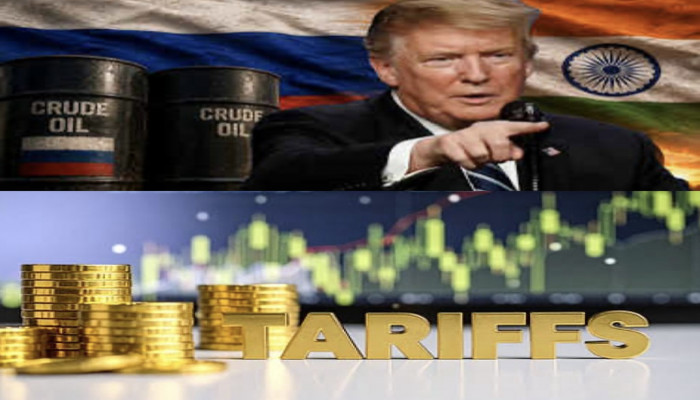
A new US Senate amendment will expose India and China to tariffs of up to 100 per cent on goods entering the United States if they continue buying Russian crude oil or natural gas. The measure is part of the “Lindsey O. Graham Sanctioning Russia and Iran Act of 2026”, which seeks to increase pressure on Moscow over its military operations in Ukraine.
The US Senate passed the legislation on August 7 with an 86-11 vote. The House Committee on Rules is now processing the Senate amendments. The bill does not name Russia’s trading partners directly. Instead, it targets the five largest buyers of Russian oil and gas by volume.
Section 113 of the amendment sets out mandatory trade duties. It states, "Not later than 30 days after the date of the enactment of this Act, the President shall, notwithstanding any other provision of law, increase the rate of duty for all goods imported into the United States from a country described in subsection (c) (and only from a country described in subsection (c)) to a rate of up to 100 per cent ad valorem”.
Section 113(c) defines a covered country as one that knowingly makes new purchases of Russian crude oil or natural gas after 30 days of the Act’s enactment and ranks among the five largest importers of Russian crude oil or natural gas during the preceding 12 months. The provision also covers countries among the top five facilitating Russian oil sanctions evasion during the same period.
India remains one of the biggest buyers of Russian seaborne crude, alongside China. This places both countries within the volume-based trigger under the amendment.
The additional duties would apply on top of existing charges. Section 113(f) states that any duty imposed under the section "shall be in addition to any other duty, fee, tax, exaction, or charge applicable with respect to the good."
The amendment gives the US Trade Representative authority to change the tariff rate from zero to 100 per cent. The rate can be adjusted if a country takes significant steps to increase, reduce or stop importing, selling, supplying, transferring or purchasing Russian crude oil or natural gas.
The legislation provides a limited exception for natural gas. Under Section 113(d), tariffs would not apply if Russian natural gas accounts for less than 15 per cent of Russia’s total annual natural gas exports during the relevant period and the country has taken significant steps to reduce those imports. There is no similar exception for major crude oil buyers.
Section 115(a) also allows the US President to waive sanctions or duties. The President would need to certify to Congress in writing that the waiver is in the national interest of the United States.
The legislation further proposes sanctions against Russia’s leadership, financial institutions and maritime networks. It includes blocking sanctions and visa restrictions on senior Russian officials, including the President, Prime Minister, Defence Minister and military commanders.
It also targets foreign entities supplying key items to Russia’s defence industry, including CNC tools, lubricant additives, chemical coatings, advanced sensors and fibre optic cables. Russia’s “shadow fleet” would face additional measures, including sanctions on vessels and foreign persons involved in transporting Russian energy without proper maritime insurance or evading Price Cap Coalition limits.
The bill also proposes financial restrictions on the Central Bank of Russia, Sberbank, VTB Bank and Gazprombank. Their property would be blocked, correspondent accounts restricted, and foreign financial institutions involved in significant transactions with them could face penalties.



 Loading...please wait
Comments