




US reimposes naval blockade on Iranian ports, over 20 warships deployed to Middle East
- In Reports
- 07:24 PM, Jul 15, 2026
- Myind Staff
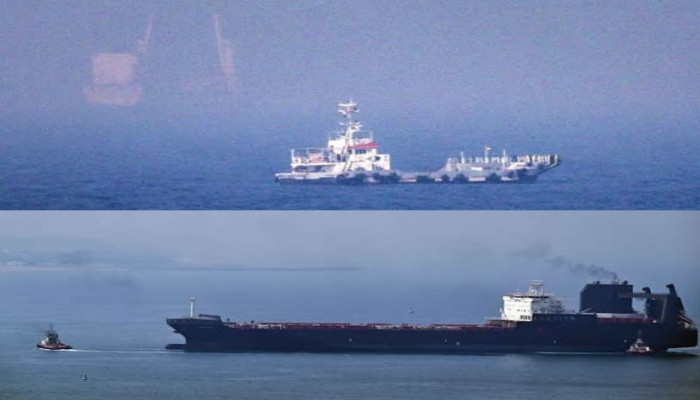
The United States has reimposed its naval blockade on Iranian ports, marking a fresh escalation in tensions across the Middle East. The US military confirmed on Tuesday that American forces have once again started restricting vessels travelling to and from Iranian ports and coastal areas. The move came as the US resumed military operations in the region and expanded its presence across key waterways.
US Central Command (CENTCOM) said the blockade officially took effect at 4 pm ET. The military also confirmed that more than 20 US Navy warships and hundreds of military aircraft are currently deployed across the Middle East. The deployment reflects Washington's continued military focus on the region as tensions remain high.
CENTCOM said American forces are fully prepared for further operations. The command stated, “American forces remain vigilant, lethal, and ready." The statement came as the US continued its military campaign against Iran for the fourth straight day.
According to CENTCOM, the latest round of strikes targeted facilities linked to Iranian capabilities that have been used to attack commercial shipping in the Strait of Hormuz. The US military said the objective was to weaken Iran's ability to threaten vessels moving through one of the world's busiest maritime trade routes.
Iranian state media reported multiple explosions following the latest US attacks. Iran's official news agency IRNA, said three explosions took place in Bandar Abbas. State-linked Fars News Agency also reported several blasts in the southwestern city of Ahwaz.
Reports further said projectiles struck a location near Sirik in Hormozgan province. Authorities have not yet released details about the level of damage or the number of casualties linked to these latest strikes. Officials also have not confirmed the exact targets that were hit during the operation.
The renewed military action followed a policy shift announced by US President Donald Trump. Earlier, Trump had threatened to impose a 20 per cent levy on ships travelling through the Strait of Hormuz. He later withdrew that proposal and announced a different approach focused on trade and investment with Gulf countries.
In a post on his Truth Social platform, Trump said, “I have decided to replace the 20% United States Reimbursement Fee with Trade and Investment Deals that the various Gulf States will be making with the United States." The announcement signalled a change in the administration's economic strategy while military operations against Iran continued.
The Strait of Hormuz has remained at the centre of the ongoing conflict. Iran started blocking the strategic waterway following US-Israel attacks in February. The action disrupted one of the world's most important shipping routes and raised concerns over global energy supplies and international trade.
After Iran's move, Washington imposed an earlier naval blockade on Iranian ports, which remained in place from mid-April until mid-June. The latest announcement marks the return of those restrictions as the US increases pressure on Tehran through military and naval operations.
The latest strikes also add to the growing toll from the conflict. Since the renewed US attacks began last week, at least 28 people have died in Iran. The figure comes from an AFP tally based on reports from Iranian media outlets and official government announcements. The casualty count may change as more information becomes available from the affected areas.
Military operations continue across several parts of Iran, while both sides remain on high alert. Fresh explosions reported in Bandar Abbas, Ahwaz and Hormozgan province highlight the widening scope of the conflict. At the same time, the expanded deployment of US naval forces underlines Washington's commitment to maintaining pressure on Iran.
The latest developments have further increased uncertainty across the Middle East. The Strait of Hormuz remains a major flashpoint as military activity continues around the strategic waterway. With US forces maintaining a strong presence and Iran facing repeated strikes, the situation remains tense. There is no indication that hostilities will ease in the immediate future, and the region continues to face heightened security risks.



 Loading...please wait
Comments