




US pushed Venezuela, Iraq to consider leaving OPEC: Report
- In Reports
- 03:49 PM, Nov 27, 2026
- Myind Staff
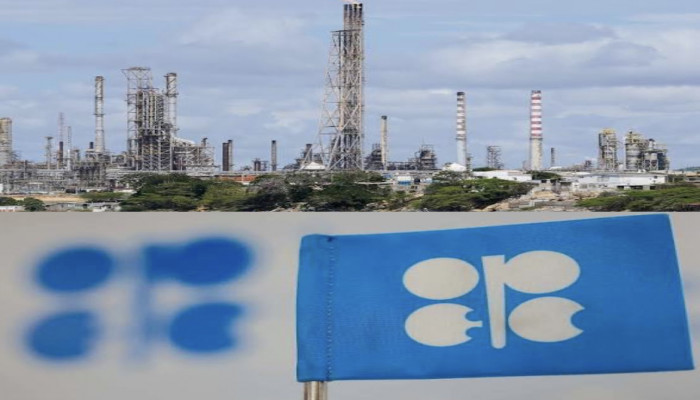
The Trump administration encouraged Venezuela and Iraq to leave OPEC earlier in 2026 and blocked Venezuela from paying its annual membership fee, according to 10 people familiar with the matter. The moves targeted two of the oil group's five founding members and marked a direct challenge to an organisation that US President Donald Trump has repeatedly accused of keeping oil prices artificially high.
Washington wanted both countries to increase oil production and attract fresh investments. US officials feared OPEC's production limits could restrict these plans, the sources said.
The pressure on Venezuela prompted Saudi Crown Prince Mohammed bin Salman to intervene this summer. He persuaded the Trump administration not to pursue the country's exit from OPEC, two sources said.
In Iraq, Prime Minister Ali Faleh al-Zaidi considered leaving the group after discussions with US officials. He later raised the proposal at a government meeting. However, Iraq's oil ministry opposed the move and persuaded him to remain in OPEC while seeking a higher production quota.
The US holds significant financial influence over both countries. Washington controls Venezuela's access to state funds following the January removal of Nicolas Maduro. Meanwhile, Iraq continues to receive its oil revenues through an account at the Federal Reserve Bank of New York, established after the 2003 US invasion.
The US State Department did not directly answer questions about blocking Venezuela's OPEC payment. However, it confirmed that Washington controls the country's state funds. An official said, “The Department receives disbursement requests from the interim Venezuelan government and reviews the requests, including against a list of approved and prohibited uses of the foreign Government Deposit Funds.”
The official added that lower-level officials might have discussed Venezuela leaving OPEC, but “it has not been among the issues raised by high-level officials.” On Iraq, the department said its discussions “have focused on improving energy infrastructure to increase production and transportation of energy, not OPEC.”
OPEC and the governments of Venezuela, Iraq and Saudi Arabia did not respond to requests for comment.
The developments have added pressure on OPEC, which has lost four members since 2019. The United Arab Emirates announced its departure earlier in 2026 over disagreements with production limits. Angola, Ecuador and Qatar also left in 2024, 2020 and 2019, respectively. There is no indication that Washington influenced these exits.
Founded in Baghdad in September 1960, OPEC initially included Iraq, Iran, Saudi Arabia, Kuwait and Venezuela. The organisation now has 11 members and works with other producers, including Russia, through the OPEC+ alliance.
The US has also emerged as OPEC's biggest rival after becoming the world's largest oil producer over the past decade. Trump has repeatedly described the group as a cartel and monopoly.
OPEC membership fees are usually paid in the first quarter and fund staff salaries, research and travel at its Vienna headquarters. Each member contributes around €2.8 million. Washington reportedly argued that Venezuela could use the money for more important matters.
OPEC has the option to overlook unpaid dues and does not plan to expel Venezuela, two sources said. Meanwhile, the US Government Accountability Office launched an investigation in July into Washington's management of Venezuelan oil revenues.
Venezuela remains exempt from OPEC+ production quotas. Its output stood at around 1.2 million barrels per day in September. State oil company PDVSA aims to raise production to 1.5 million barrels per day by the end of 2027. A return to the quota system is unlikely until production reaches around 2 million barrels per day.



 Loading...please wait
Comments