



US plans to cut 200 positions from NATO Command Centres, raising European concerns
- In Reports
- 02:04 PM, Jan 21, 2026
- Myind Staff
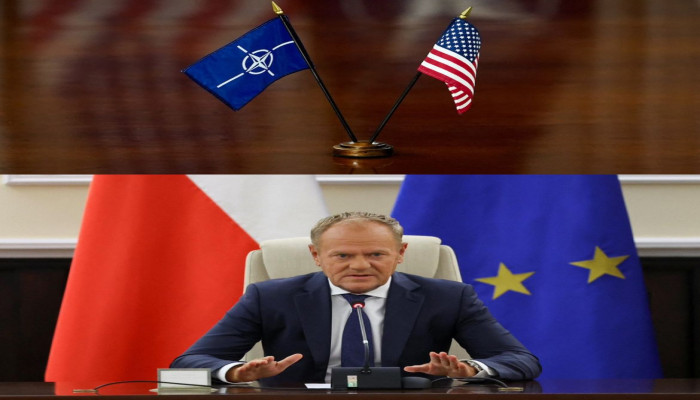
The United States is planning to reduce the number of personnel it has stationed at several important NATO command centres, a move that could increase worries in Europe about Washington’s long-term commitment to the military alliance. According to three sources familiar with the matter, the Trump administration has already informed some European capitals about the decision.
As part of this move, the US will eliminate roughly 200 positions from NATO bodies that are responsible for overseeing and planning the alliance’s military and intelligence operations. The sources, who requested anonymity because they were discussing private diplomatic conversations, said the cuts would affect several key NATO entities.
Among the organisations impacted are the NATO Intelligence Fusion Centre, which is based in the United Kingdom, and the Allied Special Operations Forces Command in Brussels. Portugal-based STRIKFORNATO, which oversees certain maritime operations, will also see a reduction in US personnel. In addition to these, several other similar NATO entities are expected to be affected by the decision.
The sources did not clearly explain why the United States decided to reduce the number of staff assigned to these NATO roles. However, they said the move broadly fits with the Trump administration’s stated goal of shifting more US military resources toward the Western Hemisphere. The Washington Post was the first media outlet to report on this decision.
Although the changes are relatively small when compared to the total size of the US military presence in Europe, they still carry symbolic weight. At present, around 80,000 US military personnel are stationed across Europe, with nearly half of them based in Germany. Because of this, the staff cuts do not necessarily indicate a major US withdrawal from the continent.
Despite that, the decision is likely to increase anxiety among European allies. Many NATO members are already uneasy due to a series of recent actions and statements by U.S. President Donald Trump that have raised questions about the future of the alliance.
On Tuesday morning, President Trump reposted a message on social media that described NATO as a threat to the United States. The reposted message also referred to China and Russia as merely “boogeymen.” This social media activity came just hours before Trump was scheduled to fly to Switzerland for the World Economic Forum.
At the same time, concerns in Europe have grown because of Trump’s renewed campaign to acquire Greenland, which is an overseas territory of Denmark and a NATO member. Many European officials believe that any form of territorial aggression within NATO would be unprecedented and could seriously damage the alliance.
When asked to comment on the staffing changes, a NATO official downplayed the significance of the move. The official said that adjustments to U.S. staffing levels are not unusual and pointed out that the American military presence in Europe is currently larger than it has been in recent years.
“NATO and U.S. authorities are in close contact about our overall posture – to ensure NATO retains our robust capacity to deter and defend,” the NATO official said.
The White House and the Pentagon did not respond to requests for comment on the issue.
According to one of the sources, about 400 U.S. personnel are currently stationed within the NATO entities that will be affected by the cuts. This means the number of Americans working in those specific NATO bodies will be reduced by roughly half.
Rather than immediately recalling servicemembers from their posts, the United States is expected to allow the reduction to happen gradually. In most cases, the positions will not be refilled as personnel rotate out or move on from their current roles.
The drawdown comes at a time when NATO is facing one of the most diplomatically difficult periods in its 77-year history. During his first term as president, Trump openly threatened to withdraw the United States from NATO. He also said on the campaign trail that he would encourage Russian President Vladimir Putin to attack NATO countries that did not pay what he described as their fair share of defence spending.
In the first half of 2025, however, Trump appeared to take a more positive view of the alliance. After a June summit, he strongly praised NATO Secretary-General Mark Rutte and other European leaders after they agreed to increase defence spending.
In recent weeks, tensions have risen again. In early December, Pentagon officials told diplomats that the U.S. wants European countries to take over most of NATO’s conventional defence capabilities, including intelligence and missile systems, by 2027. European officials reportedly viewed this timeline as unrealistic.
Shortly after that, a key U.S. national security document called for more American military resources to be focused on the Western Hemisphere. This raised fresh questions about whether Europe will continue to be a top priority for the United States.
Adding to the strain, Trump has again pushed his idea of acquiring Greenland. Over the weekend, he said the U.S. would impose tariffs on several NATO countries starting February 1 because of their support for Denmark’s sovereignty over the island. In response, European Union officials have begun considering possible retaliatory tariffs of their own.



 Loading...please wait
Comments