




US pitches maize for India’s E85 Safe Aviation Fuel push
- In Reports
- 06:19 PM, Oct 09, 2026
- Myind Staff
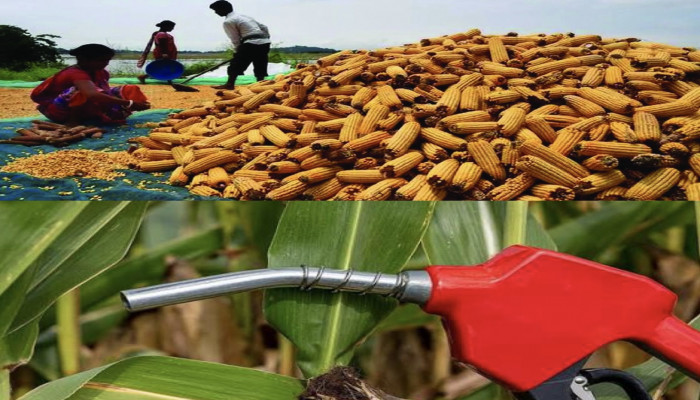
The US grain industry is exploring ways to supply American maize to India’s expanding ethanol market, for higher ethanol blends such as E85 and sustainable aviation fuel (SAF). It is urging India to assess maize based on its life-cycle carbon emissions rather than reject it solely for being imported or genetically modified (GM).
The proposal was discussed at a US-India biofuels summit in New Delhi on September 22. The US Grains & BioProducts Council and the US-India Strategic Partnership Forum (UISPF) brought industry and policy stakeholders together to discuss ethanol blending, sustainable aviation fuel and new uses for ethanol.
A dedicated session, titled “Lifecycle Assessment of Maize to Ethanol – India & US Case Studies”, examined the environmental impact of maize-based ethanol. Other discussions covered road transport fuels, ethanol-based cooking, sustainable marine fuel, consumer products and rural economies.
People familiar with the discussions said the US side is exploring multiple entry points, including higher ethanol blends, cooking fuel and SAF. One proposal is to retain domestic feedstocks for India’s existing E20 programme while considering US maize for E85, particularly for flex-fuel vehicles.
The US industry is also pushing for a life cycle assessment (LCA) approach to compare the greenhouse gas emissions associated with different ethanol feedstocks. An industry representative said the US Grains & BioProducts Council had commissioned the Indian Institute of Petroleum to assess maize-based ethanol. The study is being finalised and has not been released publicly.
Preliminary work on Indian feedstocks reportedly found maize had a relatively low carbon intensity. However, a person familiar with the discussions cautioned that US and Indian maize could not be compared until the complete study was available.
India has achieved its 20% ethanol-blending target ahead of the original 2030 deadline. The government has said any increase in nationwide blending beyond E20 will require further scientific and technical studies. E85 has already been introduced for flex-fuel vehicles, though it does not represent an increase in the nationwide blending mandate.
The proposal faces significant agricultural and regulatory hurdles. India has maintained that fuel ethanol for blending comes from domestic producers. In August, the commerce ministry said there had been no concession or commitment to import US ethanol for fuel blending. Importing maize for domestic processing would be a separate arrangement, but it would raise concerns over farmers’ interests, food and feed demand, and GM material regulations.
Farmer groups have opposed greater access for American agricultural products under the proposed India-US trade deal. Agriculture minister Shivraj Singh Chouhan said in February there would be “no compromise” on farmers’ interests and that the door was closed to imports of wheat, rice, maize and dairy products. India continues to regulate GM crops on a case-by-case basis.
Automakers could nevertheless support the proposal. India launched its first flex-fuel passenger vehicle in June and plans to expand E85 dispensing, beginning with Delhi-NCR and major corridors. However, sales remain weak, prompting the petroleum ministry to seek a roadmap from automakers. E85 currently costs ₹82.12 per litre in Delhi and ₹91.18 in Mumbai. Industry estimates suggest US corn-based ethanol could potentially bring the price down to ₹60-65 per litre.
SAF offers another potential route. US companies are exploring investments in Indian facilities using alcohol-to-jet technology, which converts ethanol into aviation fuel. “SAF may be another way for the US to enter India in a big way despite some outrage, as most common people do not associate SAF with ethanol. Moreover, it causes no harm to the general public,” one person familiar with the discussions said.
India’s existing distillery network could support production, but investment would require suitable technology, recognised sustainability certification and long-term demand beyond 2030. The US could contribute technology, infrastructure and certification expertise, while Indian distilleries supply ethanol.



 Loading...please wait
Comments