




US makes visa bond rule permanent, India excluded from 50-country list
- In Reports
- 03:40 PM, Aug 01, 2026
- Myind Staff
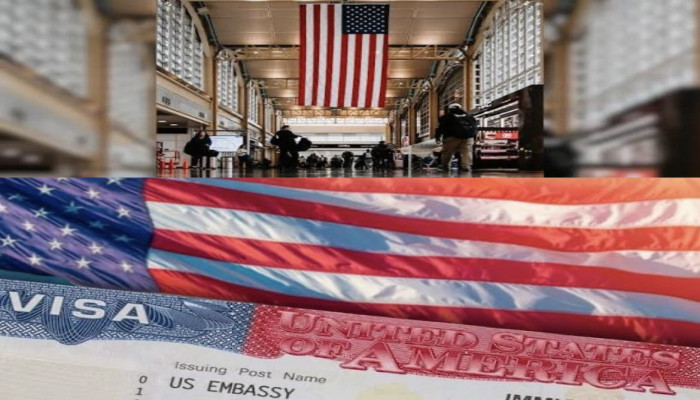
The United States has decided to make its visa bond programme permanent after successfully completing a pilot phase. The US State Department announced that the policy will now continue as a permanent measure and will apply to citizens of 50 countries. India is not part of the current list. The programme mainly covers countries in Africa along with Bangladesh, Nepal and Bhutan. Under the new rule, eligible visa applicants may have to deposit a bond of up to $20,000 before receiving a visa.
The decision follows a year-long review of the pilot programme. According to a notice published in the Federal Register, the review found that the programme helped improve compliance with US visa rules. Officials concluded that the policy worked as an effective tool to ensure that visa holders followed the terms and conditions of their stay in the United States. The new rule will come into effect on August 3, the day it is scheduled for publication in the Federal Register.
The visa bond programme applies only to B-1 and B-2 visas. The B-1 visa is issued to people travelling to the United States for business purposes, while the B-2 visa is meant for tourism and other short visits. Under the new rule, consular officers will have the authority to decide whether an applicant should be asked to deposit a bond before a visa is issued.
The Federal Register notice clearly explains the role of consular officers under the new system. It states, "Consular officers may require covered nonimmigrant visa applicants to post a bond of up to $20,000 as a condition of visa issuance, as determined by the consular officers." This means the decision will depend on the individual assessment made during the visa application process.
The notice also explains why the US government decided to continue the programme after the pilot phase. It says, "The 2025 visa bond pilot, which provided a framework for the Department of State, the Department of Homeland Security and the Department of the Treasury to assess the feasibility of administering a visa bond programme, has provided sufficient data to suggest that a visa bond programme is an effective tool for enforcing compliance among bonded visa holders." The government believes the findings support the long-term use of the programme.
The permanent rule also changes the bond amounts that applicants may have to pay. During the pilot programme, consular officers could ask for bonds of $5,000, $10,000 or up to $15,000. The revised rule removes the lowest option of $5,000 and increases the maximum bond amount to $20,000. The higher limit gives consular officers greater flexibility while deciding the amount required from eligible applicants.
At present, the programme covers citizens of 50 countries. Thirty of these countries are located in Africa, making it the region with the highest number of nations included in the policy. The list also includes Bangladesh, Nepal and Bhutan. India has not been included in the current programme. However, the Federal Register notice indicates that additional countries could be added in the future if the US government decides to expand the policy.
US officials say the visa bond programme aims to reduce the number of people who overstay their visas. The government views the policy as a way to encourage visitors to leave the country before their authorised stay expires. Officials believe financial bonds can improve compliance with immigration rules and reduce visa violations.
Immigration advocates have raised concerns over the programme. They argue that the policy may discourage genuine travellers who wish to visit the United States for business or tourism. They believe the financial burden of posting a bond could make travel more difficult for eligible applicants, even if they fully intend to follow visa rules.
Rights groups have also criticised the broader immigration policies introduced under President Donald Trump. They argue that his administration's immigration measures undermine free speech and due process. They also claim the policies create an unsafe environment for ethnic minorities and encourage racial profiling. President Trump has defended these measures and said they are necessary to strengthen national security.
Trump has repeatedly said his administration wants to reduce illegal immigration. However, critics argue that recent policy changes have also made legal immigration more difficult. They point to higher visa-related fees for certain applicants and stricter social media vetting for people applying for visas, as well as immigrants already living in the United States. The permanent visa bond programme now becomes another key part of the US government's immigration strategy, while India remains outside the current list of affected countries.



 Loading...please wait
Comments