




US loses 45 Reaper drones in Iran War, fleet losses cross $1.3 billion
- In Reports
- 06:16 PM, Aug 14, 2026
- Myind Staff
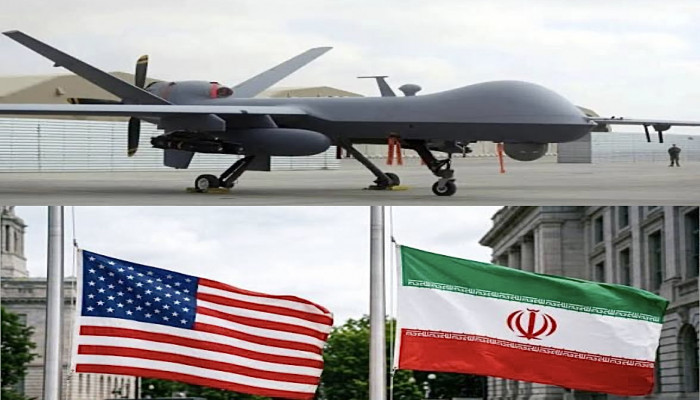
The United States has lost at least 45 MQ-9 Reaper drones during its war with Iran, accounting for nearly one-fourth of its Reaper fleet, The Washington Post reported on Thursday, citing US officials. The losses could cost American taxpayers more than $1.3 billion. The figure includes the estimated value of the drones that were destroyed during the conflict.
Not all of the Reapers were shot down by Iranian forces. A US official told The Washington Post that some drones crashed after losing their communications link with operators. The reason for the communication failures was not detailed in the report.
The United States had around 185 MQ-9 Reapers when the war began on February 28. Of these, 165 belonged to the US Air Force, while the US Marine Corps operated 20. None of the Marine Corps Reapers was lost during the conflict. These drones generally operate in the Asia-Pacific region.
The MQ-9 Reaper, a remotely piloted aircraft built by General Atomics, is used by the US military for intelligence, surveillance and reconnaissance missions, as well as precision strikes. The United States introduced the Reaper in 2007. Since then, it has become a major part of US military operations in several conflict zones. The aircraft has been used extensively in counterterrorism operations and wars in the Middle East, Afghanistan and Iraq.
The cost of an individual Reaper varies depending on its equipment and weapons. A single aircraft can cost between $30 million and $50 million. The cost can rise much further when a complete export package is involved. Such packages can include ground control stations, satellite communication systems and weapons.
Several of the Reapers were reportedly shot down while operating mainly over the Strait of Hormuz. US officials were reportedly surprised by the precision of the attacks against the drones. The losses highlight the growing risks faced by remotely piloted aircraft while operating in contested airspace.
The destruction of the Reapers adds to wider concerns over the condition of US weapons stocks. Washington is already facing pressure to replenish several types of military equipment after the prolonged conflict with Iran. US media reports in recent weeks have pointed to shortages of precision weapons and other key munitions.
Reuters reported earlier this month that “Virtually all" of the expensive weapons, which can cost more than $1 million each, were depleted in the nearly six-month conflict in Iran. The depletion has raised concerns about how quickly the United States can rebuild its weapons reserves while continuing to meet other military requirements.
The Trump administration is now seeking congressional support for a $67 billion war funding package. The proposed funding is expected to support efforts to replenish depleted military stocks. US officials have warned that rebuilding supplies of munitions, missile interceptors and drones could take years.
The Reaper losses therefore represent more than the destruction of individual aircraft. They add another burden to a US military already dealing with depleted weapons reserves and the high cost of replacing equipment used during the conflict. The reported losses also show the challenges faced by the US in maintaining surveillance and strike capabilities in heavily contested areas.
The Washington Post reported that the Pentagon declined to comment on the reported Reaper losses. The exact circumstances surrounding each drone loss have not been publicly disclosed. However, the reported figure of at least 45 lost aircraft represents a significant share of the US Reaper fleet and could have major financial and operational implications for Washington.
The losses come at a time when the United States is seeking additional funding to restore its military stockpiles. Replacing the drones themselves will require substantial spending, while rebuilding stocks of missiles, interceptors and other precision weapons could take much longer. The scale of the reported losses adds pressure on the US government to secure funding and speed up replenishment of its military inventory.



 Loading...please wait
Comments