




US lawmakers raise alarm over proposed FCRA changes, cite risks to civil society groups
- In Reports
- 02:13 PM, Jun 15, 2026
- Myind Staff
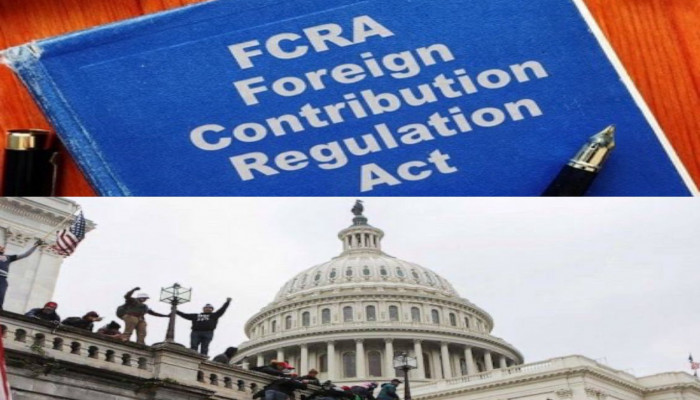
Lawmakers from both the Republican and Democratic parties in the United States have expressed growing concern over proposed amendments to India’s Foreign Contribution Regulation Act (FCRA). They believe the changes could negatively affect civil society organisations, including Christian groups, by restricting access to foreign funding and allowing authorities to take control of their assets.
The concerns have emerged from members of the US Congress and Senate, with several lawmakers seeking more information about the proposed amendments. According to people familiar with discussions on Capitol Hill, the issue has been raised privately by elected representatives. At the same time, Indian diplomats have maintained that the amendments will not unfairly affect organisations that legally receive foreign funds in India.
Among the strongest voices raising concerns is Senator James Risch, chairman of the influential Senate Foreign Relations Committee. Responding to a query from Hindustan Times, Risch described the proposed amendments as troubling.
“India’s Foreign Contribution Regulation Act (FCRA) imposes onerous and opaque constraints on non-governmental organisations and groups that receive foreign funding, making their daily operations nearly impossible. Any efforts to use FCRA as an excuse to expand persecution or harassment of U.S.-linked Christian ministries by seizing their funds or property would be deeply concerning,” Senator Risch told HT.
“President Trump has made protecting Americans and promoting religious freedom a priority for his administration, and the U.S. will not hesitate to call out countries who violate the internationally recognised human rights of Christians and other religious groups around the world,” added Risch, who has represented the state of Idaho in the US Senate since 2009.
Members of the Democratic Party, currently in opposition, have also voiced concerns about the proposed amendments. A congressional aide from the party said Congress has been monitoring the issue on a bipartisan basis.
“On a bipartisan basis, Congress has raised concerns about the potential impact the Foreign Contribution (Regulation) Act could have on civil society. A significant expansion, particularly granting authorities sweeping power to seize the assets of organisations that lose their FCRA licenses, would raise serious questions. Our shared democratic principles and strong people-to-people ties are key elements of the U.S.-India partnership, and both are supported by a vibrant civil society,” one Democratic party congressional aide told HT.
The latest concerns follow an ongoing campaign by Christian organisations based in the United States. These groups have been lobbying against the amendment bill related to the 2020 Foreign Contribution Regulation Act. The bill was introduced in the Lok Sabha in March and has since attracted attention from religious and civil society organisations.
Under the existing FCRA framework, the Indian government has the authority to cancel the registration of an organisation and place its assets and foreign contributions under the control of a specified authority. The proposed amendments provide more detailed rules regarding how such assets and funds would be managed after cancellation or non-renewal of a licence.
According to the proposed changes, if an organisation’s FCRA licence is not renewed, its foreign contributions and assets created using those funds will be placed provisionally under a “Designated Authority” notified by the Central government. This authority would be responsible for managing those assets and could use the foreign contributions for that purpose.
If the organisation or individual fails to secure fresh registration within a prescribed period, the assets and foreign contributions would permanently remain with the Designated Authority. The authority would then be required to use them for public purposes. According to an analysis by PRS Legislative Research, these assets could eventually be transferred to ministries or agencies of the central, state, or local governments.
Christian and Muslim organisations in India criticised the proposed amendments. The Catholic Bishops’ Conference of India (CBCI) has been particularly vocal. It has warned that the regulations could become excessively restrictive and may lead to greater government interference in the functioning of minority institutions.
The CBCI has described the proposed amendments as “dangerous” and “alarming”. It argues that the new provisions could create challenges for institutions that depend on foreign funding for their activities and social work.
These concerns have also found support among Christian groups in the United States. Several organisations have highlighted the issue through media campaigns and discussions with American lawmakers. Their efforts have helped bring the matter to the attention of policymakers in Washington.
One notable intervention came from Congressman Chris Smith. Ahead of US Secretary of State Marco Rubio’s visit to India last month, Smith wrote an opinion piece urging the administration to discuss the matter with the Indian government and encourage it to withdraw the proposed amendments.
“Creating this partnership will be a delicate task — we must have true respect for each other’s cultures and be genuinely willing to learn from each other. Yet, it is difficult to see how that relationship can develop if the government of India passes legislation designed to set up the expropriation of Indian Christians,” Smith wrote in the Washington Examiner.
As discussions continue, the proposed FCRA amendments have become a subject of debate not only within India but also among lawmakers in the United States. Critics argue that the changes could weaken civil society organisations and minority institutions. Indian officials, however, continue to maintain that legitimate organisations receiving foreign funds will not face undue difficulties under the revised framework.



 Loading...please wait
Comments