




US judge rules Pentagon’s Anthropic ban unlawful, punished for criticising government
- In Reports
- 02:22 PM, Aug 28, 2026
- Myind Staff
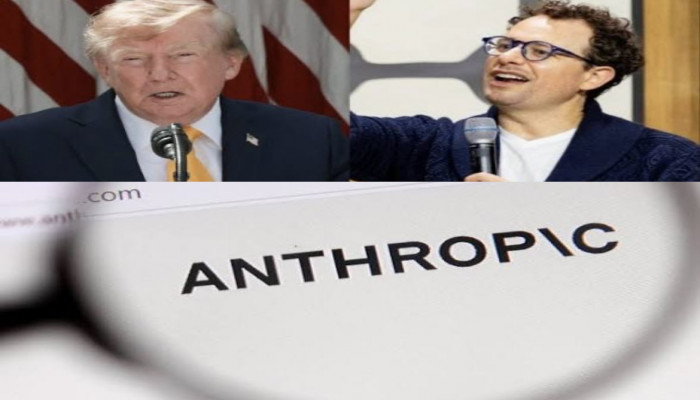
A US federal judge on Thursday ruled that sanctions imposed by the Trump administration on artificial intelligence company Anthropic were illegal. The court found that the Pentagon’s February order is punishing the company for publicly criticising the government. Judge Rita Lin also ordered the Department of Defence to withdraw all guidance, directives, communications and instructions issued against Anthropic.
“The empty invocation of national security is not a blank check to punish and retaliate against government critics," news agency AFP cited Judge Rita Lin's observation from her 59-page decision.
The judge also cancelled Anthropic’s designation as a “supply-chain risk”. She ruled that the Pentagon’s actions violated the due process clause of the Fifth Amendment. The ruling removes the designation that had restricted Anthropic’s ability to work with the US military.
The dispute between Anthropic and the Pentagon began over the use of artificial intelligence in military operations. Anthropic, the company behind the Claude AI chatbot, had been in talks with the US military over the use of its technology on the battlefield. The company refused to allow Claude to be used for US surveillance or autonomous weapons.
In February, the Pentagon responded by blacklisting Anthropic and designating it as a national security supply-chain risk. The designation applies to companies that could expose military systems to possible infiltration or sabotage by foreign adversaries. It also blocked Anthropic from certain military contracts.
Anthropic challenged the Pentagon’s decision in a federal court in California. The company argued that Defence Secretary Pete Hegseth had exceeded his authority by imposing the ban. It also warned that the restrictions could cost the company billions of dollars in lost business and could cause serious damage to its reputation.
The company has maintained that current AI models are not reliable enough for safe use in autonomous weapons. It has also opposed the use of its technology for domestic surveillance. Anthropic has described domestic surveillance as a violation of rights. The Pentagon, however, has argued that private companies should not have the power to limit military operations.
The latest ruling also carries significance for how the US government can use national security measures against technology companies. Anthropic became the first US company to receive a public supply-chain risk designation under the government-procurement law applied in this case. The law was created to protect military systems from foreign sabotage.
The legal dispute is not yet over. Anthropic is also fighting a separate Pentagon supply-chain risk designation in a second lawsuit filed in Washington, DC. That case could affect the company’s ability to secure civilian government contracts.
The California ruling now requires the Department of Defence to revoke the measures it issued against Anthropic. It also removes the supply-chain risk designation that had become a major point of conflict between the AI company and the Pentagon. The decision marks a significant legal setback for the Trump administration’s action against Anthropic and strengthens the company’s challenge to restrictions placed on its government business.



 Loading...please wait
Comments