




US-Iran, Doha talks conclude with limited progress as focus shifts to Strait of Hormuz, frozen funds
- In Reports
- 12:37 PM, Jul 02, 2026
- Myind Staff
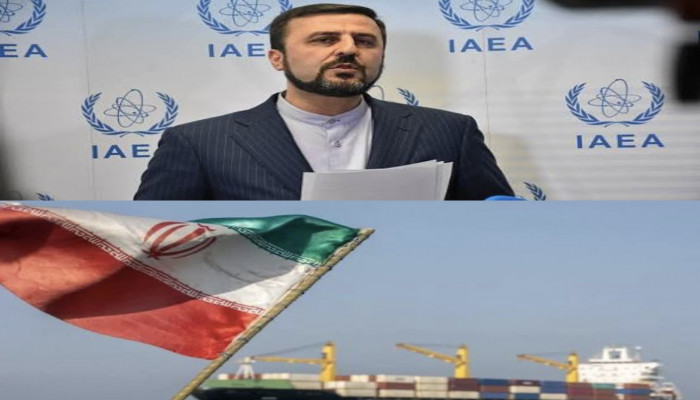
The United States and Iran concluded another round of indirect talks in Doha on July 1. The discussions ended without any clear breakthrough toward a long-term peace agreement. Instead, both sides focused on issues that were already included in the interim agreement announced two weeks earlier.
Sources familiar with the negotiations said officials spent two days discussing maritime traffic through the Strait of Hormuz and the release of Iran's frozen funds. These two issues remain among the most important parts of the initial agreement between the two countries.
Qatar's Foreign Ministry confirmed that the next round of talks will take place after the funeral ceremonies for Iran's late Supreme Leader, Ayatollah Ali Khamenei, who is scheduled to be buried on July 9. The ministry said the Doha meetings resulted in "positive progress" on issues linked to the memorandum that ended the war in June. It also said the discussions were "building on the outcomes" of a summit held in Switzerland. The ministry spokesperson shared the update on the social media platform X.
In Washington, US President Donald Trump expressed confidence about the ongoing diplomatic efforts. He said the two countries were making progress on possible limits to Iran's nuclear programme, which remained the main reason behind the war that he launched along with Israel in February. Trump told reporters, "The denuclearisation of Iran is moving along well. They've had very good meetings, and we'll see."
However, sources close to the negotiations said the nuclear programme did not come up during the Doha talks. They described the discussions as technical and limited to issues already covered in the interim agreement. US Vice-President J.D. Vance confirmed that nuclear negotiations would take place later. He told reporters, "Obviously, we're worried about the nuclear issue; we're going to start talking about that."
Qatar's Foreign Ministry said American and Iranian negotiators did not meet directly. Instead, each side held separate meetings with mediators from Qatar and Pakistan, who carried messages between the two delegations.
The White House had earlier described the Doha meeting as "high-level" talks. However, Trump's son-in-law Jared Kushner and senior US envoy Steve Witkoff did not attend the discussions. A source, who requested anonymity, confirmed their absence. Iran's delegation was led by Deputy Foreign Minister Kazem Gharibabadi. After the meeting, Gharibabadi confirmed that the talks had concluded. Neither country announced whether it had resolved its remaining differences.
One of the main issues under discussion was the Strait of Hormuz. The initial agreement allows both countries to support the return of commercial shipping through the strategic waterway. Before the war, the strait handled nearly one-fifth of the world's oil and liquefied natural gas shipments.
Although shipping has resumed to some extent, uncertainty continues over the waterway's future. Iran and the United States exchanged strikes last weekend after an Iranian attack on a cargo ship. The latest developments have raised fresh concerns over the security of international shipping in the region.
Two senior Iranian sources said Iran wants international recognition of its control over the Strait of Hormuz. They added that the country is prepared to achieve this goal by force if needed. Iran has also announced plans to start charging tolls on ships using the strait from mid-August. A toll-free period under the interim agreement will end before the new charges begin.
Despite recent tensions, Trump dismissed fears of another full-scale conflict with Iran. He told reporters, "I think they've come a long way."
Following Trump's remarks, global oil prices dropped to their lowest level in four months. Several market analysts also reduced their oil price forecasts for the first time since the conflict began.
Iran's state media reported on July 1 that a foreign container ship had run aground in shallow waters outside the shipping route designated by Iranian authorities. The report added to concerns about navigation in the area.
Vandana Hari, founder of oil market analysis provider Vanda Insights, said, "Hormuz continues to reopen but it's patchy, unpredictable and not fully transparent."
Meanwhile, several European countries have offered to help remove mines from the Strait of Hormuz. Germany's Defence Minister Boris Pistorius said he does not expect Germany to join the effort. He cited Iran's unwillingness to cooperate with other countries as the reason for the decision.



 Loading...please wait
Comments