




US, Iran agree to a provisional 15-day ceasefire; negotiate Tehran’s 10-point peace proposal
- In Reports
- 01:14 PM, Apr 08, 2026
- Myind Staff
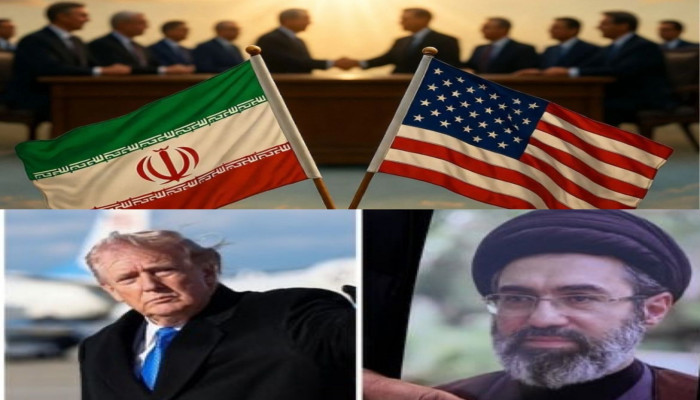
A temporary two-week ceasefire between the United States and Iran has reduced tensions in the Middle East, pausing missile strikes and drone attacks. The agreement came just before a deadline on the reopening of the Strait of Hormuz, a vital global oil route. The Trump administration has agreed to negotiate on a 10-point proposal presented by Iran, creating space for further diplomatic engagement.
The breakthrough follows intense backchannel efforts and is being seen as an initial but fragile step toward stability. Further discussions are expected to take place in Islamabad under Shehbaz Sharif’s mediation. While the ceasefire has temporarily calmed the situation, both sides have made it clear that key issues remain unresolved.
According to Iranian state media, the proposal begins with a demand for a formal non-aggression pact between the United States and Iran, aimed at preventing future military escalation. Alongside, Iran has insisted on continuing its control over the Strait of Hormuz, reinforcing its strategic position in global oil movement. Another major condition is the recognition of Iran’s right to pursue nuclear enrichment, an issue that has long been at the centre of tensions.
Economic concerns form a major part of the proposal. Iran has called for the lifting of all primary US sanctions, which directly target its economy. It has also demanded the removal of secondary sanctions that affect other countries engaging in trade with Iran. In addition, Tehran wants the termination of all resolutions imposed by the United Nations Security Council, along with the removal of resolutions passed by the International Atomic Energy Agency’s Board. The proposal further includes a demand for financial compensation to Iran for damages caused during the conflict.
Military and regional conditions are also clearly outlined. Iran has asked for the complete withdrawal of US combat forces from the region. It has also pushed for a cessation of conflicts across all fronts involving groups it supports, including Hezbollah in Lebanon. These demands reflect Iran’s broader aim to reduce foreign military influence and stabilise its regional alliances.
The ceasefire itself is directly linked to the Strait of Hormuz. Under the agreement, Iran has allowed controlled passage through the waterway for a two-week period. This is significant as the Strait handles nearly one-fifth of the world’s oil supply. In exchange, the United States has paused offensive operations and stepped back from expanding strikes on Iranian infrastructure.
Commenting on the development, Donald Trump said the proposal could serve as the base for a larger agreement. He described the plan as “workable” and added that “almost all” major issues between the two countries have been addressed in principle. However, the White House has not released full details, leaving uncertainty over how much of Iran’s demands the US is ready to fully accept, especially on sanctions and troop withdrawal.
Despite the pause in hostilities, Iran has stressed that the conflict is not over. Its leadership has warned that any violation of the ceasefire would be met with force. This highlights the delicate nature of the current arrangement and the risk of tensions rising again.
The next phase of talks will be crucial in deciding whether this temporary truce can evolve into a lasting agreement. For now, the ceasefire offers a brief period of relief and an opportunity for continued dialogue, even as major differences remain.



 Loading...please wait
Comments