




US imposes restrictions on shipment of chips to Chinese entities outside China
- In Reports
- 12:36 PM, Jun 01, 2026
- Myind Staff
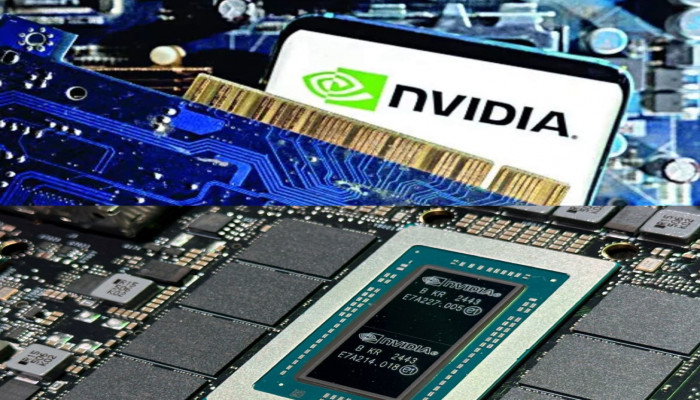
The United States has moved to close a potential loophole that may have allowed Chinese companies to obtain some of the world's most advanced artificial intelligence chips through subsidiaries operating outside China.
The US Department of Commerce issued new guidance on Sunday stating that license requirements for advanced AI chips will now apply to Chinese-headquartered companies even when they are based in other countries. The move is aimed at preventing Chinese firms from accessing high-end semiconductors that are considered critical for developing advanced AI capabilities.
The guidance affects some of the most powerful chips currently available, including Nvidia’s Rubin and Blackwell processors and AMD’s MI350x chips. According to the Commerce Department, exports of such chips to Chinese entities overseas will now be subject to the same restrictions that apply within China.
The development suggests that a gap in US regulations may have existed for nearly a year. During that period, Chinese companies with subsidiaries in countries such as Malaysia may have been able to purchase advanced AI chips despite broader US efforts to limit China's access to cutting-edge semiconductor technology.
The Commerce Department posted the updated guidance on its website on Sunday. It remains unclear how many advanced chips were exported through this route. However, one semiconductor industry source with extensive knowledge of global supply chains estimated that the number could be in the hundreds of thousands.
The department's decision comes after the Trump administration announced in May 2025 that it would not enforce the AI Diffusion rule introduced during the final days of the Biden administration. The AI Diffusion rule was designed to regulate global access to advanced AI chips and related technologies.
By choosing not to enforce that rule, the administration unintentionally created an opening that may have allowed overseas subsidiaries of Chinese companies to acquire advanced chips without obtaining a US license.
The issue has raised concerns among technology and national security experts. Chris McGuire, a technology expert and former State Department official, highlighted the seriousness of the situation in a social media post on Sunday.
"This is a HUGE problem."
He said the loophole allowed the overseas subsidiaries of Chinese companies to buy Nvidia Blackwell chips without a license.
"Chinese companies have been buying these chips, very likely at scale," McGuire said.
The Commerce Department has not yet responded to requests for comment regarding the new guidance. Nvidia and AMD also did not immediately comment on the matter when approached.
The latest restrictions focus on future exports and licensing requirements. However, the guidance does not require data centres currently using the chips to stop operations. It also does not instruct companies to discontinue servicing advanced computing equipment and servers that already contain the restricted chips.
The move marks another step in Washington's ongoing effort to limit China's access to advanced semiconductor technology. US officials view these chips as strategically important because of their role in developing powerful artificial intelligence systems and other advanced computing applications.
With the loophole now closed, Chinese firms operating abroad are expected to face stricter scrutiny when attempting to purchase or access the most advanced AI chips developed by American companies.



 Loading...please wait
Comments