



US imposes new sanctions on Iran’s ‘Shadow Oil Fleet’ as nuclear talks resume in Oman
- In Reports
- 02:23 PM, Feb 07, 2026
- Myind Staff
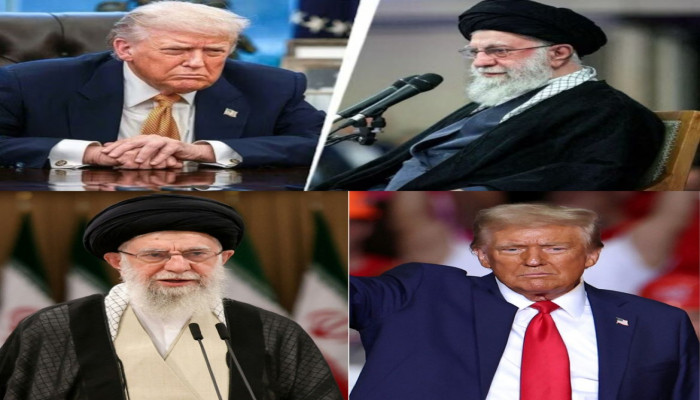
The United States on Friday announced a fresh round of sanctions targeting Iran’s energy sector, focusing on what Washington described as a secret “shadow” network of ships, traders, and shippers involved in transporting Iranian oil exports. US officials said the sanctions are aimed at stopping revenue that Iran allegedly uses for repression at home and destabilising activities abroad.
The sanctions were announced at the same time as Iran and the United States held indirect nuclear talks in Oman on Friday, a development that appeared to restart efforts to revive negotiations on Tehran’s nuclear programme amid rising regional tensions.
“The United States is sanctioning multiple entities, individuals, and vessels to stem the flow of revenue that the regime in Tehran uses to support terrorism abroad and repress its citizens,” the US Department of State said in its statement.
As part of the action, Washington imposed sanctions on 15 entities involved in trading Iranian-origin crude oil, petroleum products, and petrochemical products. The United States also sanctioned two individuals linked to the same network. In addition, the State Department identified 14 so-called shadow fleet vessels as blocked property, accusing them of playing a role in transporting Iranian energy exports.
“Time and time again, the Iranian government has prioritised its destabilising behaviour over the safety and security of its own citizens,” the State Department said, while also referring to what it described as the regime’s “mass murder of peaceful protestors.”
“The United States will continue to act against the network of shippers and traders involved in the transport and acquisition of Iranian crude oil, petroleum products and petrochemical products, which constitutes the regime’s primary source of income,” the department added.
According to US officials, Iran’s oil exports are being supported by illegal shipping facilitators operating in different jurisdictions. These facilitators, the United States claimed, use deceptive practices such as ship-to-ship transfers and other covert methods to hide the true origin of Iranian cargoes and avoid detection.
The latest sanctions come after a series of similar US measures imposed over the past month. Those actions targeted senior Iranian officials, including the interior minister and the secretary of Iran’s Supreme Council for National Security. The sanctions were linked to Iran’s crackdown on recent protests.
Meanwhile, Iran and the United States held indirect talks in Muscat, the capital of Oman, on Friday. The talks were considered significant as they appeared to reopen a diplomatic channel over Iran’s nuclear programme.
The discussions were also notable due to the presence of US Navy Admiral Brad Cooper, the head of US Central Command. His presence highlighted Washington’s military posture in the region, particularly as the aircraft carrier USS Abraham Lincoln and its accompanying warships continue operating off Iran’s coast in the Arabian Sea.
Iranian Foreign Minister Abbas Araghchi said the negotiations took place in multiple rounds. He stated that the discussions were focused on identifying a framework for future talks. However, he also stressed that any progress would require the United States to stop what he described as pressure and threats.
“The prerequisite for any dialogue is refraining from threats and pressure,” Araghchi told journalists.
He also said that diplomats would return to their capitals following the discussions. “The prerequisite for any dialogue is refraining from threats and pressure,” he repeated while speaking to reporters, making it clear that Iran’s position remains tied to US actions.
Oman, which acted as the mediator in the talks, said the discussions were not meant to produce an immediate breakthrough. Instead, Oman said the aim was to clarify positions and create the foundation for a possible resumption of diplomatic and technical negotiations in the future.
The United States did not publicly comment on the outcome of the talks held in Muscat. However, US officials have previously said that any agreement with Iran must address more than just its nuclear programme. They have insisted that a deal must also include Iran’s ballistic missile programme and its regional behaviour, positions that Iran has resisted.
The sanctions announcement and the indirect talks in Oman took place in a tense geopolitical climate, with the US continuing to increase its pressure on Iran through economic measures while also keeping a strong military presence near the region.



 Loading...please wait
Comments