




US imposes 50% tariffs on $20 billion Canadian imports after trade talks collapse
- In Reports
- 03:13 PM, Aug 22, 2026
- Myind Staff
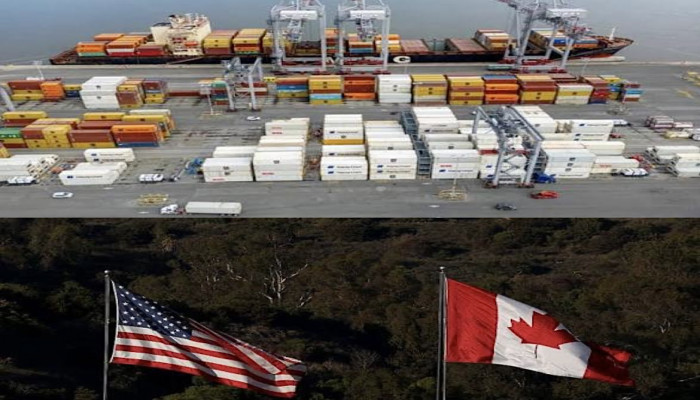
The United States and Canada failed to reach a new trade agreement late Friday, leading to a sharp rise in tensions between the two long-time allies. The US said it would impose 50% tariffs on some Canadian imports. A senior Trump administration official said the new tariffs under Section 338 would apply to around $20 billion worth of Canadian goods. The measures were set to take effect shortly after midnight on Saturday.
Canadian Prime Minister Mark Carney responded by suspending trade talks with Washington. He also said Canada would retaliate against the new US tariffs on a dollar-for-dollar basis. The move marks another setback in trade relations between the two countries and could put further pressure on Canada's economy.
"I have decided to suspend trade negotiations with the U.S. and have directed Canada’s negotiators to return to Ottawa," Carney said in a statement.
The announcement came after three days of negotiations in Washington. Canada's minister for trade with the US, Dominic LeBlanc, held talks with US Trade Representative Jamieson Greer. The discussions focused on reaching an agreement that could ease trade tensions between the two countries. However, the talks ended without a deal.
Carney said Canada's negotiating team had continued discussions until the final stage of the talks. He defended their efforts and said they had worked to protect Canadian interests throughout the negotiations.
"They (negotiators) have worked hard, in good faith, to defend the interests of Canadians throughout these negotiations up until the very last minute," he said. "However, last-minute changes in the U.S. proposed terms were unfair, uneconomic, and called into question the reliability of any deal."
The latest US tariffs cover a relatively small portion of Canada's total exports. However, they add to existing US duties on important Canadian products, including steel, lumber and automobiles. The additional tariffs could create more difficulties for Canada's already fragile economic recovery.
The measures could also affect trade relations between the two countries in the months ahead. Washington and Ottawa are expected to face wider negotiations over their future free-trade arrangements. The latest dispute could make those discussions more difficult and increase uncertainty for businesses on both sides of the border.
The new tariffs will also apply to Canadian goods even when they qualify for preferential treatment under the United States-Mexico-Canada Agreement. The trade pact has protected a large part of Canadian industry from earlier US tariffs. The decision to apply the new duties regardless of such treatment could increase costs for Canadian exporters and further strain economic ties between the two neighbours.
Canada has now indicated that it will respond to the US measures with matching tariffs. The move could further deepen the trade dispute and increase pressure on industries that depend heavily on cross-border commerce. With negotiations suspended, both countries face a more uncertain period in their economic relationship.
The latest development comes after repeated efforts to manage trade tensions between Washington and Ottawa. The failure to reach an agreement means businesses must now prepare for higher tariffs on affected goods. It also raises concerns about the broader impact on trade, economic growth and future negotiations between the two countries.



 Loading...please wait
Comments