




US House passes a Bill to cut federal funds for universities boycotting Israel
- In Reports
- 09:43 PM, Sep 04, 2026
- Myind Staff
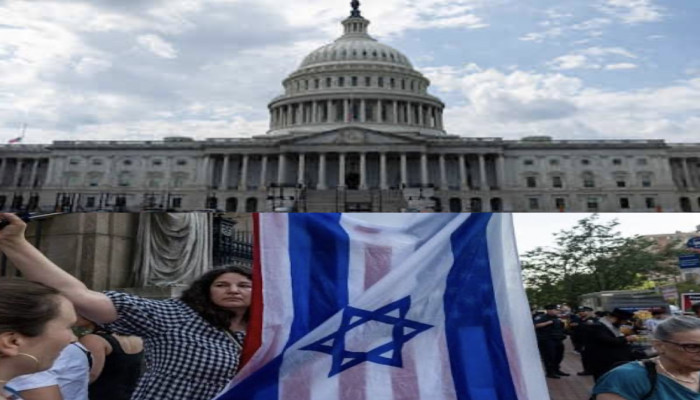
The US House of Representatives has passed a bill that would block federal funding for universities that boycott Israel. The legislation, called the “Protect Economic and Academic Freedom Act”, now needs approval from the US Senate before it can become law. The bill comes amid growing criticism of Israel over its military actions in Gaza and increasing protests on university campuses across the United States.
The Republican-controlled House passed the bill on Thursday by a vote of 237-169. The vote largely followed party lines. Only two Republicans voted against the legislation, while 33 Democrats supported it. If the Senate also passes the bill, universities that take part in boycotts targeting Israel could lose access to federal financial support.
The legislation focuses on universities involved in economic boycotts of Israel. Its supporters said the measure is aimed at preventing institutions from targeting Israel and Judaism. They also argued that some campus protests have crossed into antisemitism and have provided support for extremist views.
The bill has faced opposition from Democrats and others who say it could affect free speech and academic freedom. Some lawmakers have opposed the boycott movement while still rejecting the legislation. Democratic Representative from New York, Jerrold Nadler, said before the vote that he opposed the global ‘boycott, divestment and sanctions (BDS) movement. However, he said he would vote against the bill to protect the right to free expression.
"It is the only way to ensure speech I do agree with is equally protected," Nadler said.
The global BDS movement seeks to put economic and political pressure on Israel. It aims to isolate the country over its alleged treatment of Palestinians. Supporters of the movement argue that boycotts are a peaceful way to pressure Israel over its policies toward Palestinians.
The debate over the bill comes as the Gaza war continues to draw international attention. On October 7, 2023, an attack led by Hamas killed approximately 1,200 people in Israel. The attack also led to the capture of hostages and triggered Israel’s military campaign in Gaza.
According to the Gaza health ministry, Israeli attacks since the start of the war have killed more than 73,000 Palestinians. The scale of the deaths and destruction in Gaza has led to growing criticism of Israel from governments, rights groups and activists around the world.
The conflict has also intensified political debates on US university campuses. Pro-Palestinian protests have taken place at several universities across the country. Demonstrators have called for greater support for Palestinian rights and have opposed Israel’s military campaign in Gaza. Some protests have also called on universities to cut financial ties with companies linked to Israel.
Supporters of the House bill argue that universities should not use public funds while taking part in campaigns against Israel. They said the legislation would not prevent students, teachers or researchers from discussing Israel, Palestine or the Gaza war. Instead, they said it would target institutional boycotts of Israel.
Opponents, however, have rejected claims that support for Palestinian rights is automatically linked to antisemitism or extremism. Protesters and their supporters say criticism of Israel and opposition to the destruction in Gaza should not be treated as attacks on Jewish people. They argue that people should be allowed to express political views and support boycotts without facing government penalties.
The House vote highlights the growing divide in the United States over Israel, Gaza and the limits of political protest on college campuses. The legislation will now move to the Senate, where its future remains uncertain. For the bill to become law, it must secure Senate approval before it can reach the next stage of the legislative process.



 Loading...please wait
Comments