



US grants 30-day relief on Iranian oil sanctions amid supply concerns
- In Reports
- 02:02 PM, Mar 21, 2026
- Myind Staff
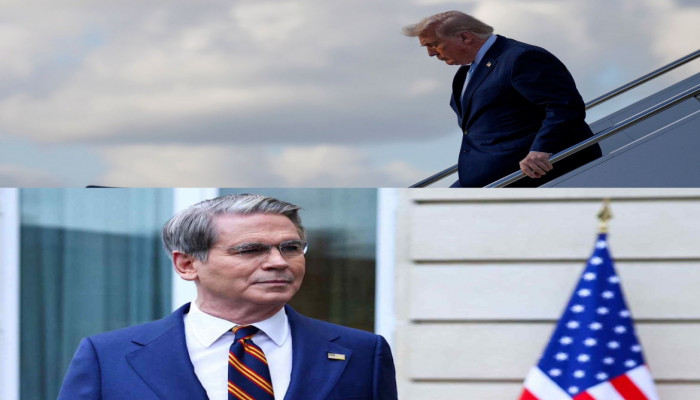
The administration led by US President Donald Trump has announced a temporary waiver on sanctions related to the purchase of Iranian oil at sea for a period of 30 days. The move is aimed at easing rising global oil prices, which have been under pressure due to the ongoing conflict involving the United States, Israel, and Iran. However, shortly after the announcement, Iran rejected the claim that there is any significant amount of oil available at sea for sale.
According to US Treasury Secretary Scott Bessent, the waiver is expected to release nearly 140 million barrels of oil into the global market. He stated on X that this step would help stabilize energy supplies and reduce the strain caused by disruptions linked to the conflict. The decision reflects the administration’s effort to ensure that global energy markets remain balanced during a period of heightened geopolitical tension.
Iran, however, presented a different picture. The Consulate General of Iran in Maharashtra responded on X, stating, “At present, Iran essentially has no floating crude or surplus available for international markets. The U.S. Treasury Secretary’s remarks appear aimed at reassuring buyers and managing market sentiment.” This response directly challenges the US claim and raises doubts about the actual availability of Iranian oil for global buyers.
This is the third instance in just over two weeks where the US administration has temporarily eased sanctions on oil linked to its adversaries. The repeated use of such waivers highlights the urgency with which Washington is trying to control energy prices and maintain stability in the global oil market during the ongoing crisis.
Defending the move, Bessent made strong remarks about Iran’s role in global conflicts. He said, “Iran is the head of the snake for global terrorism, and through President Trump’s Operation Epic Fury, we are winning this critical fight at an even faster pace than anticipated. In response to Iran’s terrorist attacks against global energy infrastructure, the Trump Administration will continue to deploy America’s economic and military might to maximize the flow of energy to the world, strengthen global supply, and seek to ensure market stability.” His statement underlined the broader political and military context behind the economic decision.
He further explained the scope of the waiver by saying, “Today, the Department of the Treasury is issuing a narrowly tailored, short-term authorization permitting the sale of Iranian oil currently stranded at sea.” The administration clarified that this permission is strictly limited and does not allow Iran to increase production or initiate new sales. It only applies to oil that is already in transit or stored offshore.
Bessent also pointed out that much of the sanctioned Iranian oil has been purchased and stored by China at discounted prices. By allowing some of this oil to enter the global market, the US aims to counter supply shortages and bring prices down. He added, “In essence, we will be using the Iranian barrels against Tehran to keep the price down as we continue Operation Epic Fury.” This approach reflects a strategic use of existing resources to weaken Iran’s influence while supporting global energy needs.
The backdrop to this development is the US-led military operation known as ‘Operation Epic Fury,’ launched in coordination with Israel on February 28. The strikes targeted Iran and led to a major escalation in the Middle East after Iran retaliated. Israel referred to its own military action as ‘Operation Roaring Lion.’ The conflict has had a direct impact on global oil markets, particularly due to concerns over disruptions in key routes such as the Strait of Hormuz.
The US administration has emphasized that the current waiver will not significantly benefit Iran financially. Bessent stated that Iran will find it difficult to access the revenue generated from these sales, as strict financial restrictions will remain in place. He said, “This temporary, short-term authorization is strictly limited to oil that is already in transit and does not allow new purchases or production. Further, Iran will have difficulty accessing any revenue generated and the United States will continue to maintain maximum pressure on Iran and its ability to access the international financial system.”
In addition to the 140 million barrels expected from this waiver, the Trump administration has been working to bring a total of around 440 million additional barrels of oil into the global market. This effort is part of a broader strategy to counter Iran’s ability to disrupt energy supplies, especially in sensitive regions like the Strait of Hormuz.
The situation reflects a complex balance between economic strategy and geopolitical conflict. While the US is attempting to stabilize global oil markets, Iran’s denial of available crude adds uncertainty to how effective the measure will be. The coming weeks will likely determine whether this temporary relief has the intended impact on energy prices and supply.



 Loading...please wait
Comments