



US freezes immigrant visa processing for 75 countries, including Iran, Russia, Thailand
- In Reports
- 03:45 PM, Jan 15, 2026
- Myind Staff
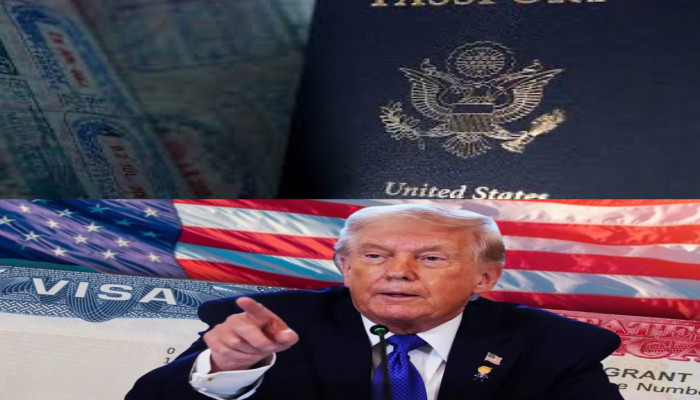
The United States government has announced an indefinite freeze on immigrant visa processing for citizens of 75 countries, including Iran, Russia and Thailand, in what officials are calling one of the most wide-ranging immigration enforcement actions in recent years.
Under the new policy, the U.S. State Department will suspend immigrant visa processing starting January 21, 2026, while it conducts a detailed reassessment of screening and vetting procedures for individuals seeking permanent residency in the United States.
According to a memo referred to in the report, which has not been made public, consular officers have been told to refuse immigrant visas under existing law. This is part of a broader effort to tighten enforcement of the “public charge” provision of US immigration law, which allows authorities to deny visas to applicants who are judged likely to rely on government welfare benefits.
Officials have said that this reconsideration of procedures is why the freeze was introduced. Nationals from some of the countries on the list, such as Somalia and Iran, already faced significant challenges in getting US visas before this announcement. However, the decision comes as a surprise for people from other countries, such as Brazil, where visa hurdles have not been considered as stringent.
The list of affected countries includes Pakistan, Somalia, Russia, Afghanistan, Brazil, Iran, Iraq, Egypt, Nigeria, Thailand and Yemen, among others.
The freeze will remain in effect indefinitely until the State Department completes its review of the visa processing system.
Officials have pointed to specific concerns that have influenced this decision. Somalia has drawn particular scrutiny, the report states, following a significant fraud investigation in Minnesota where prosecutors uncovered widespread misuse of taxpayer-funded benefit programs, and many of those involved were Somali nationals or Somali-Americans.
In November 2025, the State Department sent instructions to US diplomatic posts worldwide telling consular officers to apply stricter screening standards under the public charge rule. The guidance instructs officers to deny visas to applicants who are expected to depend on public benefits, considering factors such as health, age, English language proficiency, financial status and the potential need for long-term medical care.
Under this guidance, even older applicants or those who are overweight could be denied visas, as could individuals who have previously used government cash assistance or institutional care.
In a statement about the decision, State Department spokesperson Tommy Piggott said, “The State Department will use its long-standing authority to deem ineligible potential immigrants who would become a public charge on the United States and exploit the generosity of the American people.”
He added, “Immigration from these 75 countries will be paused while the State Department reassess immigration processing procedures to prevent the entry of foreign nationals who would take welfare and public benefits.”
The public charge provision itself has been part of US immigration law for decades, but how it is enforced has varied widely under different administrations. Traditionally, consular officers have had broad discretion in applying this standard.
There will be very limited exceptions to the visa pause. These exceptions can only be granted after applicants have demonstrated that they will not be a public charge, according to the report.
The report also notes that under a version of the public charge rule implemented in 2022 during the previous administration, the benefits considered for determining public charge status were narrowed. The 2022 rule focused mainly on cash assistance and long-term institutional care, and excluded programs such as the Supplemental Nutrition Assistance Program (SNAP), the Women, Infants and Children nutrition program, Medicaid, and housing vouchers.
The Immigration and Nationality Act has long allowed consular officers to refuse visas on public charge grounds. In 2019, former President Donald Trump expanded the definition of public charge to include a broader range of public benefits. However, that expansion was partly blocked in court and was later rescinded by the Biden administration before this new decision.
The move to freeze immigrant visa processing for these countries has significant implications for thousands of would-be immigrants who were hoping to move to the United States in 2026 and beyond. Officials have emphasised that this step is part of a broader focus on immigration policy and public benefits enforcement.



 Loading...please wait
Comments