




US draft agreement to release $24 billion in frozen assets within 60-day negotiation period
- In Reports
- 06:16 PM, Jun 12, 2026
- Myind Staff
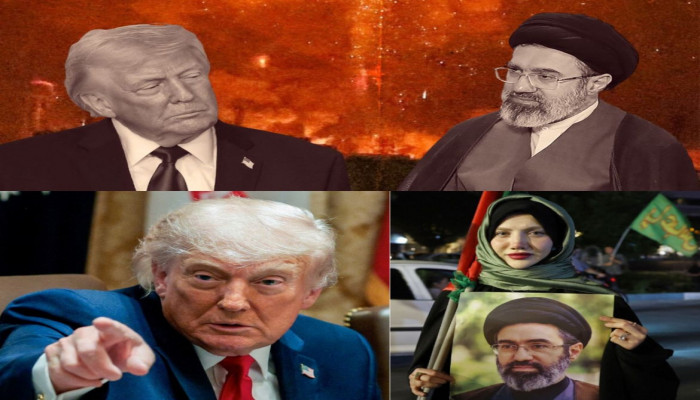
Iran’s Mehr news agency reported on Friday that a draft agreement with the United States could lead to the release of $24 billion in frozen Iranian assets within a 60-day negotiation period. The report, citing a source close to Iran’s negotiating team, said the proposed accord would allow for the “release of $24 billion of Iran’s blocked funds during the 60-day final negotiation period.”
According to the report, half of the amount would be released before formal negotiations begin. Mehr also stated that the memorandum of understanding includes a “permanent and immediate cessation of hostilities on all fronts, including in Lebanon.” The agency further reported that Iran’s nuclear programme would be part of the 60-day discussions with Washington.
The development comes as US President Donald Trump claimed that an agreement with Iran could be signed within days. Trump said talks had reached the highest levels of Iran’s leadership and had received approval. Based on that understanding, he announced that he had cancelled planned military action against Tehran.
“Time and place of the signing to be announced shortly,” Trump said. He also claimed that the details of the arrangement had been approved by the United States and its regional allies, including Israel, which joined Washington in launching military operations against Iran in February.
Despite Trump’s optimism, Iranian officials indicated that negotiations were not yet complete. Foreign Ministry spokesperson Esmaeil Baqaei said Tehran “had not reached a final conclusion on the agreement.”
He added that “most of the text of the agreement was finalised, but the problem began when the US side made new demands and changed its positions.”
Iranian media also responded cautiously to Trump’s remarks. The Tasnim news agency pointed out that Trump had predicted an imminent agreement 38 times over the past two months. The agency stated, “Until Iran announces the matter of a potential understanding, any news from Trump on this subject should be regarded the same as his previous messaging.”
Later, Trump repeated his confidence in the progress of negotiations. When asked whether Iranian supreme leader Ayatollah Mojtaba Khamenei had approved the deal, he replied, “I understand the answer is yes.”
Meanwhile, Israeli Prime Minister Benjamin Netanyahu’s office clarified that Israel was not a party to the memorandum of understanding being discussed between Washington and Tehran. Following a conversation between Netanyahu and Trump, the Israeli government said Netanyahu appreciated Trump’s efforts to secure an agreement that would remove enriched nuclear material, dismantle enrichment facilities, limit missile production and end Iranian support for regional proxy groups.
The proposed agreement comes against the backdrop of a conflict that began on February 28. The war started with large-scale US-Israeli strikes on Iran that resulted in the death of Supreme Leader Ayatollah Ali Khamenei. Fighting paused after a ceasefire was reached in April, but efforts to secure a permanent settlement have faced repeated obstacles.
Iran’s mayor announced on Thursday that the funeral of the former supreme leader would be postponed until late June or early July. At the same time, Trump’s latest comments suggested that behind-the-scenes diplomacy involving countries such as Pakistan and Qatar may have helped move negotiations forward. His statement marked a significant shift from his earlier warning that he would strike Iran “VERY HARD TONIGHT.”
Trump said that “Discussions and final points have been, in both concept and great detail, approved by all parties involved, including the United States, Israel”, and Gulf states.
Egypt welcomed the possibility of a breakthrough and urged both sides to take advantage of what it described as an opportunity to end the war. The statement came shortly after Trump cancelled the threatened military strikes.
Only a day earlier, Trump had taken a far more aggressive position. He had declared that US forces would intensify air operations against Iran and would seize control of the country’s key oil export terminal on Kharg Island in the Gulf.
Even as hopes for a diplomatic resolution increased, tensions in the region remained high. Kuwait reported that Iran had targeted its territory, damaging an airport radar system and forcing authorities to temporarily close airspace.
Iran also continued issuing warnings regarding the Strait of Hormuz, one of the world’s most important routes for oil and gas shipments. Since the beginning of the conflict, Tehran has effectively shut the waterway, causing disruptions in global energy markets. Iran’s newly established authority overseeing the strait stated that it “will be closed until further notice.”
Iranian military officials also warned against any fresh American attack. General Ali Abdollahi said that if the United States launched strikes, “it will receive a harsher response than before, and the flames of war, in addition to creating insecurity in the region, will become more widespread and far-reaching.”



 Loading...please wait
Comments