




US Court convicts Huawei for fraud, Iran operations, conspiring to steal trade secrets
- In Reports
- 07:17 PM, Nov 25, 2026
- Myind Staff
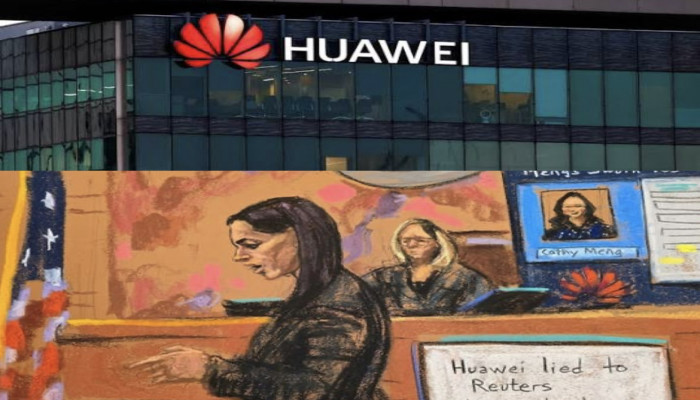
Chinese telecom giant Huawei was found guilty on 10 of 12 criminal charges by a federal jury in New York on Tuesday. The charges include bank fraud, wire fraud, violations of US sanctions and conspiracy to steal trade secrets from American companies. Prosecutors accused the company of misleading banks about its business operations in Iran.
The case began in 2018. In 2019, the US government placed Huawei on a trade blacklist, restricting its access to American technology over national security concerns. The jury acquitted the company of conspiring to obstruct justice and racketeering, which alleged that Huawei operated as a criminal enterprise.
China's foreign ministry criticised the verdict on Wednesday. Spokesperson Guo Jiakun said Beijing opposed Washington's actions against Chinese businesses. "The Chinese government firmly opposes the US suppression and containment of Chinese companies and firmly supports Chinese companies in safeguarding their legitimate rights and interests," he said during a press briefing.
The trial lasted more than two months. Prosecutors presented over 60 witnesses, while Huawei's defence called 15. US District Judge Ann Donnelly is scheduled to sentence the company on September 14, 2027. The penalties Huawei may face remain unclear.
Huawei's lawyer, Brian Heberlig, said the company was disappointed with the convictions but welcomed the acquittal on the racketeering charge. He said it supported Huawei's "good-faith compliance culture" and added, "We fully expect to appeal."
US Attorney Joseph Nocella said, "Few crimes are as serious as Huawei’s decades-long pattern of endangering US national security, violating the sanctity of US commerce, and impeding the enforcement of US laws."
Huawei maintained that the remaining charges lacked legal and factual merit. It also argued that the five trade secret disputes involved civil matters resolved over the past two decades. The company said no court had previously found it guilty of deliberate intellectual property theft or ordered it to pay damages for trade secret misappropriation.
In December 2018, Canadian authorities detained Huawei's Chief Financial Officer Meng Wanzhou, daughter of the company's founder, under a US warrant. The incident triggered a diplomatic dispute between the United States, China and Canada.
US prosecutors had accused Meng of misleading an HSBC banker about Huawei's Iran operations to help the company move money through the US financial system in violation of American sanctions. She fought extradition for nearly three years before reaching a deferred prosecution agreement and returning to China. The charges against her were later dropped.
The prosecution also alleged that Huawei stole Cisco Systems' router source code, Quintel's antenna technology and confidential circuit board technology from semiconductor company CNEX. Prosecutors presented evidence involving a Huawei employee allegedly taking a component from a T-Mobile testing robot and an engineer photographing a Fujitsu device at a trade show.
The defence argued that HSBC and other banks knew about Huawei's Iran operations and competed for its business. Heberlig accused prosecutors of having "cherry-picked" unrelated incidents to establish a 20-year conspiracy.
Despite the legal challenges, Huawei has expanded its operations and become a key player in China's artificial intelligence push. The company employs more than 200,000 people across around 170 countries and said it would continue investing in research and development.



 Loading...please wait
Comments