




US brings back Pacific Command name, ends eight-year Indo-Pacific designation
- In Reports
- 12:42 PM, Jun 17, 2026
- Myind Staff
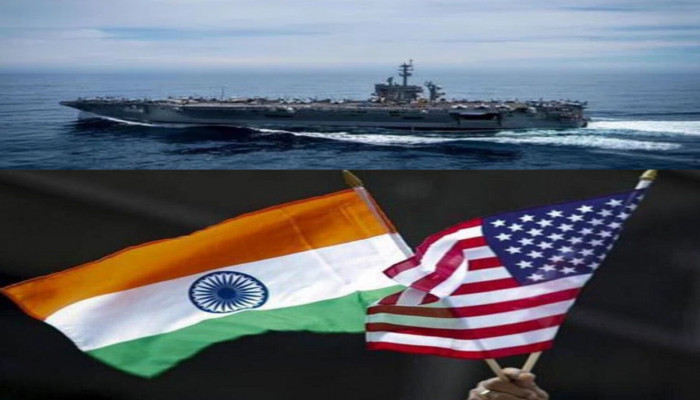
The United States has officially restored the name of its military command from the US Indo-Pacific Command to the US Pacific Command, reversing a decision that was taken eight years ago. The announcement was made by the US Department of Defence on Tuesday. The department said the move recognises the command’s long history and honours its legacy, which dates back to 1947.
The US Pacific Command was originally established on January 1, 1947, by then-President Harry S. Truman. It operated under the USPACOM designation for more than seven decades and became the oldest as well as the largest unified combatant command of the United States military. In 2018, during President Donald Trump’s first term, the command was renamed the US Indo-Pacific Command to reflect the growing strategic connection between the Indian and Pacific Oceans.
Explaining the latest decision, the Department of Defence said the return to the previous name is intended to acknowledge the command’s historic identity and contributions. “Restoring the legacy USPACOM designation honours the command's deep historical roots, fostering a sense of pride and collective spirit among all who serve in the Pacific,” the Department of Defence said in a statement.
The department highlighted the important role played by the command over the decades. It noted that the organisation helped shape the regional security structure after World War II and coordinated joint military operations during major conflicts. “From its critical role in establishing the post-WWII regional security architecture to its coordination of joint forces during the Korean War, the Vietnam War, and countless humanitarian operations, the USPACOM namesake carries decades of military heritage and enduring regional partnerships,” it said.
Despite the name change, the area under the command’s responsibility will remain exactly the same. According to the Department of Defence, the command’s jurisdiction continues to stretch from the waters off the western coast of the United States to the western border of India. The statement clarified that the geographical scope of the command has not been altered by the decision.
The department also stressed that the command’s mission remains unchanged. It said the organisation will continue to work with allies and partner nations across the region. “The command's fundamental mission and its unwavering commitment to maintaining a free and open theatre alongside regional allies and partners are unchanged,” the Department of Defence said.
The renaming marks a significant policy shift because the Indo-Pacific designation had become a central part of US strategic thinking in recent years. When the name was changed in 2018, former Defence Secretary James Mattis had described it as recognition of the increasing connectivity between the Indian and Pacific Oceans. The move was seen as an acknowledgement of India’s growing importance in the region and the broader strategic framework linking the two oceans.
At the time, Mattis had underlined the vast reach of the command and its role in US defence planning. He had said the command stretches “from Bollywood to Hollywood, and from penguins to polar bears,” and plays an important part in America’s National Defence Strategy.
The latest decision brings back the historic USPACOM identity while keeping the command’s responsibilities, operational reach and strategic commitments intact. The Department of Defence has presented the move as a tribute to the command’s long-standing history rather than a change in its role or mission. The restoration of the Pacific Command name, therefore, marks a return to a designation that represented the organisation for more than 70 years while preserving its existing responsibilities across one of the world’s most strategically important regions.



 Loading...please wait
Comments