



US backs Japan in a conflict with China over radar event
- In Reports
- 07:05 PM, Dec 10, 2025
- Myind Staff
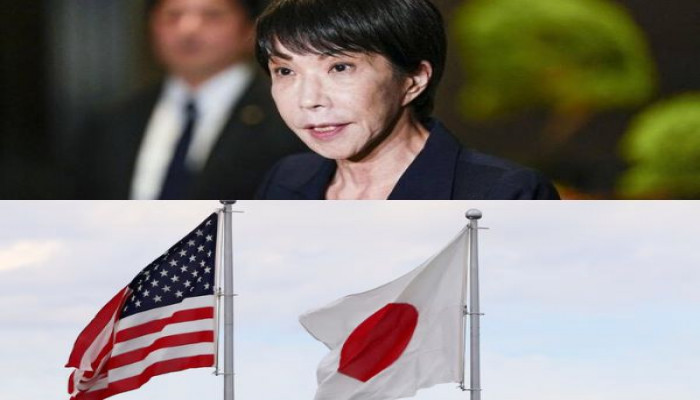
The United States, for the first time, criticised China for aiming radars at Japanese military aircraft during a training exercise last week, an incident that both Asian neighbours have described differently as tensions continue to rise.
The incident near Japan’s Okinawa islands came after Japanese Prime Minister Sanae Takaichi created a fresh dispute with Beijing last month with her comments on how Tokyo might respond to a possible Chinese attack on Taiwan.
China claims democratically governed Taiwan and has not ruled out using force to take control of the island which sits just over 100 km from Japanese territory and is surrounded by important sea lanes that Tokyo depends on.
“China’s actions are not conducive to regional peace and stability,” a State Department spokesperson said late Tuesday in reference to the radar incident.
“The U.S.-Japan Alliance is stronger and more united than ever. Our commitment to our ally Japan is unwavering, and we are in close contact on this and other issues.”
China’s foreign ministry did not respond immediately to a request for comment.
On Tuesday, Japan scrambled fighter jets to observe Russian and Chinese air forces carrying out joint patrols around the country.
The Chinese fighter jets that pointed their radars at the Japanese aircraft on Saturday were involved in the most serious encounter between the two East Asian militaries in years.
Such actions are considered threatening because they suggest a possible attack and may force the aircraft being targeted to take evasive action. Tokyo described the moves as “dangerous”.
Beijing, however, said that the Japanese aircraft had repeatedly approached and disrupted the Chinese navy while it was conducting previously announced carrier-based flight training east of the Miyako Strait.
Relations between Asia’s two largest economies have worsened sharply since Takaichi told parliament last month that a Chinese attack on Taiwan could become a “survival-threatening situation” and might lead to a military response from Tokyo.
Beijing has asked her to withdraw the remarks accusing Tokyo of posing a military threat and advised Chinese citizens not to visit Japan.
U.S. Ambassador to Japan, George Glass, has openly extended support for Japan in several social media posts since the dispute began. But President Donald Trump and other senior U.S. officials have remained silent.
Trump, who plans to visit Beijing next year for trade discussions, spoke to Takaichi over the phone last month and urged her not to escalate the dispute, according to people familiar with the situation who spoke to Reuters.



 Loading...please wait
Comments