




US approves SpaceX proposal to deploy 1 million satellites to build network of AI data centres
- In Reports
- 03:30 PM, Nov 26, 2026
- Myind Staff
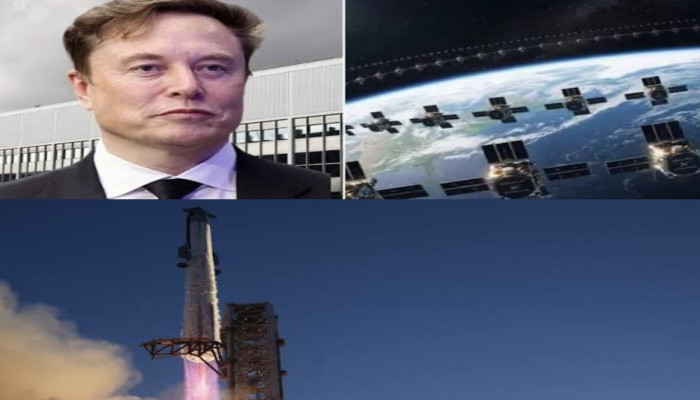
Donald Trump administration on Wednesday approved SpaceX's proposal to deploy one million satellites in space to build a massive network of artificial intelligence (AI) data centres. The plan, led by Elon Musk, has raised concerns among scientists and industry experts over its technical challenges and environmental impact.
The US Federal Communications Commission (FCC) described the approval as a “historic first” in the global AI race. The proposed network, called Starmind, will consist of one million “orbital compute modules” designed to process huge amounts of data for use on Earth.
The FCC said the project could bring humanity closer to harnessing “the full power of the sun.” FCC Chairman Brendan Carr said, “America is leading the world into the era of super intelligence," adding that Wednesday's move “opens a bold new frontier.”
Under the FCC order, SpaceX must deploy at least “one authorised space station” by 2033. The company can then gradually expand the network until 2040.
Supporters of space-based data centres argue that solar energy could reduce pressure on electricity grids and lower the demand for large computing facilities on Earth. It could also reduce the need for water used to cool these facilities. However, managing heat in space remains a major challenge. Although space is extremely cold, its vacuum environment can trap heat inside objects.
Musk welcomed the approval in a post on X, writing, “Much appreciated. This will be a great asset to America and the world.”
Scientists and industry experts have questioned whether the ambitious project is technically and financially viable. They have also warned about its potential environmental consequences.
Astrophysicist and author Adam Becker described the proposal to launch one million satellites as “a fantasy."
“It’s not going to happen,” he told the Associated Press.
Becker said basic physical limits affect how data centres release heat. He added that launching smaller satellites carrying the required materials would remain expensive and difficult.
Experts have also warned that frequent rocket launches and satellite reentries could pollute the atmosphere. Collisions between satellites could create further risks for existing space infrastructure.
“You could end up with a cascading set of space junk collisions,” Becker said, warning that such crashes could produce “a cloud of debris” in low Earth orbit. The region also hosts several important weather and telecommunications satellites.
The FCC maintained that SpaceX's proposed Starlink network complies with its orbital debris regulations. It acknowledged receiving a “substantial number” of public comments, including petitions seeking to block the proposal.
However, the regulator said the deployment “serves the public interest”. It also dismissed concerns outside its authority, including environmental issues.
According to the Associated Press, the American Astronomical Society (AAS), satellite communications company Viasat and Amazon-owned Kuiper Systems were among those opposing the proposal.
The AAS said it was “disheartened and dismayed” by the decision. It warned that the project could affect astronomical research and public access to the night sky.
“The proposed constellation involves larger (and therefore brighter) and more numerous objects," the organisation said, adding that “these satellites would therefore be visible as extremely bright objects for longer periods in the night sky.”



 Loading...please wait
Comments