



US allows resale of Venezuelan oil to Cuba’s private sector
- In Reports
- 05:41 PM, Feb 26, 2026
- Myind Staff
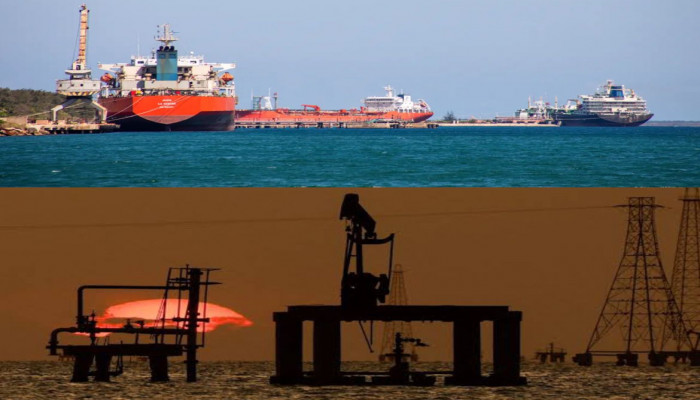
On February 25, 2026, the U.S. Treasury Department said it will allow companies to apply for licenses to resell Venezuelan oil for use in Cuba. This announcement was included in guidance published on the Treasury’s website. The move is intended to help Cuba deal with its severe shortage of fuel that has hit power generation, transportation and daily life across the island.
Under the new guidance, companies can seek permission from the U.S. government to resell oil that originated in Venezuela to Cuba’s private sector. The policy is expected to elevate Cuba’s access to fuel after shipments from Venezuela stopped earlier this year when Washington assumed control of Venezuela’s oil exports.
For more than 25 years, Venezuela was Cuba’s main source of crude and refined fuel, supplied through a long-standing bilateral agreement that involved trade and barter arrangements. Venezuela’s oil shipments helped keep Cuba’s economy running and supported energy needs. But after the U.S. took control of Venezuela’s oil exports following the capture of Venezuelan President Nicolás Maduro, supplies to Cuba ceased. This has worsened Cuba’s energy crisis, as the island struggles to generate electricity and fuel vehicles, homes and aviation.
Mexico, which had emerged as an alternate fuel supplier after Venezuela’s shipments stopped, has also halted its fuel deliveries since a tanker discharged cargo in Havana in January. These developments have deepened the fuel scarcity that the new U.S. policy is trying to address.
The Treasury Department’s guidance makes clear that any proposed oil transaction must benefit the Cuban people, including support for the island’s private sector. It says licenses may be issued for sales to private companies and for humanitarian or commercial use. However:
- Transactions involving the Cuban military, intelligence services, or other government institutions will not qualify under this policy.
- Applicants do not have to be established U.S. entities; foreign firms may also apply for licenses.
- Restrictions from earlier U.S. authorisations on exporting Venezuelan oil broadly — including those issued in January — do not apply to Cuba under this new guidance.
This “favourable licensing policy” aims to create a legal way for oil to reach Cuba indirectly, while still preventing benefits for Cuba’s government or its armed forces.
The Office of Foreign Assets Control (OFAC), the sanctions enforcement arm of the U.S. Treasury, referred to the policy in a frequently asked question (FAQ 1238) on its website. According to OFAC, the policy is part of a supportive approach toward specific license requests for the resale of Venezuelan-origin oil to Cuba’s non-governmental sectors.
The guidance also states that oil shipments should be for commercial and humanitarian use — meaning companies may apply for authorisation to sell fuel that would be used by private businesses and individuals rather than government operations.
U.S. policy changes come amid continuing tensions over energy resources in the region. After seizing control of Venezuelan oil exports in early 2026, the U.S. has controlled where shipments go and how proceeds are managed. Large oil trading firms like Vitol and Trafigura now handle most of Venezuela’s oil exports, with large quantities stored in Caribbean terminals for resale.
U.S. President Donald Trump has said that countries that previously received Venezuelan oil through swaps, debt payments, or barter arrangements must pay fair market prices for future cargoes. This applies to nations like China and Cuba.
Even with the new licensing policy, it is unclear whether Cuban companies will be able to buy oil under commercial conditions. Cuba has struggled for years to pay for fuel imports in international markets, and purchases are expected to require cash payments or bank guarantees, which can be difficult to secure under current economic conditions.
Additionally, several Venezuelan fuel shipments that were already planned have not left Venezuelan ports since December because they need U.S. authorisation to sail. One tanker loaded with gasoline in early February was still anchored in Venezuela this week while waiting for approval.
During related diplomatic efforts, U.S. Secretary of State Marco Rubio addressed regional concerns, saying that Cuba’s humanitarian crisis was caused by the island’s own government policies rather than U.S. actions before Venezuela’s oil export control shifted. He said, “What the Cuban people should know is this: that if they are hungry and they are suffering, it’s not because we’re not prepared to help them. We are. It’s that the people standing in the way of us helping them is the regime, the Communist Party.”
Cuba’s government has announced plans to allow micro, small, and medium-sized businesses to import fuel to help ease the worst of the energy crisis. A U.S. official — speaking on condition of anonymity — said the Treasury’s stance was designed to show that private importers could access fuel in ways the government could not.



 Loading...please wait
Comments