




US accuses India and 40+ nations of helping China evade tariffs via transhipment
- In Reports
- 01:23 PM, Aug 14, 2026
- Myind Staff
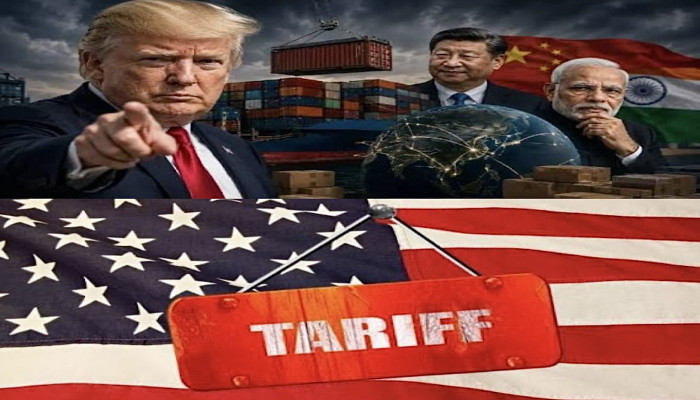
The United States has accused more than 40 countries, including India, of being part of what it calls a “shadow transhipment network” that helps Chinese goods enter the US market while avoiding high American tariffs. US trade adviser Peter Navarro made these allegations in a report titled “The Great Transhipment Scam”. The report says Washington plans to use artificial intelligence to identify suspected cases of transhipment and take action against them.
Navarro said the countries named in the network include some of the US’ biggest trading partners. These include Mexico, Canada, the European Union, India, Japan and South Korea. He said China has increasingly used third countries to move goods into the American market and avoid tariffs imposed directly on Chinese products.
"For years, the great transhipment scam has let Communist China launder its exports through more than 40 countries," Peter Navarro, Counsellor to the President for Trade and Manufacturing, told reporters.
According to the report, the practice became more common after 2018. The Trump administration had imposed Section 301 tariffs on Chinese goods that year. The move targeted what Washington described as unfair Chinese trade practices. Navarro’s report estimates that goods illegally moved through third countries could be worth between $40 to $303 billion every year. The range depends on the method and definition used to calculate the trade.
The report claims China uses third countries for activities such as minor processing, relabelling, repackaging, reinvoicing and changes to shipping routes. These steps can make goods appear to have a different country of origin. The report says the underlying Chinese content may remain largely unchanged.
Navarro said China and its state-supported manufacturers and trading firms can use countries with lower labour costs, weaker customs oversight, permissive free trade zones and favourable access to the US market. These routes can allow Chinese products to reach American buyers while avoiding some of the tariffs imposed on goods coming directly from China.
The report also specifically points to India. Navarro said India’s Pune-Gujarat-Chennai production belt absorbs Chinese pumps and compressors. He linked this activity to industrial supply chains in Cincinnati, Dayton and Columbus in the US.
"A Chinese pump that leaves Pune as Indian is a pump not machined in Cincinnati, Dayton or Columbus," Navarro said.
The report presents this as an example of how transhipment can affect American manufacturers. It argues that goods made in China can gain access to the US after passing through another country and receiving limited processing or other changes. Washington wants to identify such cases and separate them from genuine manufacturing and investment in third countries.
The US now plans to strengthen its monitoring of international shipments with artificial intelligence. Navarro said the administration will deploy an AI-enabled system called “Detective Border”. The system is intended to help US authorities identify goods that may have entered the country through third nations to avoid tariffs.
The proposed system will examine several types of information. This includes shipment data, routing histories, product classifications, ownership links and the production capacity of companies involved in the trade. US authorities will also consider other indicators to identify shipments that may carry a higher risk of illegal transhipment.
The report says the system will help the US Customs and Border Protection distinguish legitimate nearshoring and foreign investment from illegal pass-through trade. It will also help identify high-risk shipments and turn the findings into enforcement measures.
"The objective is to improve CBP's ability to distinguish legitimate nearshoring and foreign investment from illegal pass-through trade, identify high-risk shipments, and convert analytical findings into interdiction, duty collection, penalties, and exclusion," the report said.
The US move places India and other major trading partners under greater scrutiny as Washington seeks to prevent Chinese companies from bypassing its tariff system. The allegations cover a wide range of countries and trade routes. The planned use of AI signals a broader effort by the US to track the origin, movement and ownership of goods entering its market.



 Loading...please wait
Comments