




UN Fund sets aside $21.6 million for Nepal floods in first-ever emergency allocation
- In Reports
- 02:19 PM, Oct 23, 2026
- Myind Staff
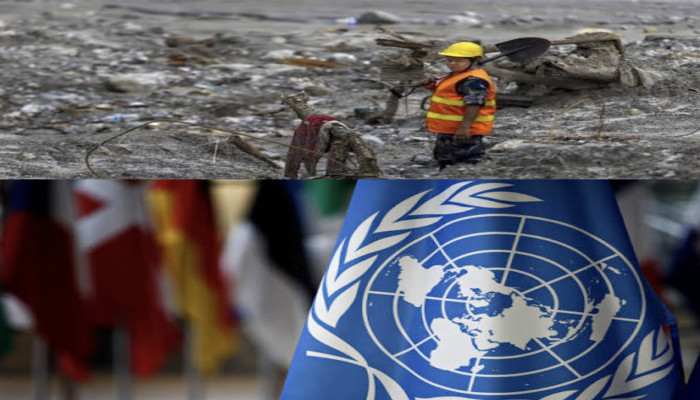
The United Nations’ Loss and Damage Fund has provisionally approved $21.6 million for Nepal to address damage caused by the Bhote Koshi River floods in August. The amount includes $20 million in funding and $1.6 million in oversight fees. The disaster killed at least 1,000 people and left more than 5,000 missing.
The Fund for Responding to Loss and Damage (FRLD) Board approved the allocation at an extraordinary meeting on Thursday. Nepal had requested $20 million over four years to address the climate emergency.
This marks the first time the fund has set aside money for a country since its operationalisation at COP28. However, the allocation covers only around 0.7% of Nepal’s estimated disaster costs, which preliminary estimates place at $2.56 billion.
The fund supports developing countries facing unavoidable economic and non-economic losses caused by climate change. Nepal must still submit a formal application, which the board will consider at its next meeting in December. The approved amount is the maximum currently allowed for a single project.
Nepal’s government requested urgent assistance in a communication sent to the fund’s co-chairs on August 31, asking the board to “take a special decision to respond rapidly, directly and effectively in accordance with its Governing Instrument”.
Developing countries have submitted 176 applications worth $2.8 billion, according to an analysis by Carbon Brief. As of March 15, the fund had received $822.06 million in pledges from 27 countries, with grant contributions totalling $629.70 million. Major contributors include the UAE with $100 million, Germany with $98.4 million, France with $53.07 million, the UK with $52.15 million, Spain with $44.01 million and Australia with $34.11 million.
Harjeet Singh, Global Convenor of the Fill the Fund campaign and Founding Director of the Satat Sampada Climate Foundation, called Thursday a historic day for Nepal.
“No country should have to endure a catastrophe and wait seven weeks, through historic letters and relentless pressure, just to unlock the Fund’s first-ever emergency meeting. We must set up a permanent rapid-response system that moves support in days, not months,” he said.
Anjal Prakash, Professor of Public Policy at FLAME University and an IPCC author, said the allocation recognised the need for climate justice. However, he stressed that setting aside funds does not guarantee their delivery.
“At just 0.7% of estimated losses, this support exposes the enormous gap between climate impacts and available finance. The priority must now be rapid disbursement, with transparent safeguards that enable rather than delay assistance. We need a permanent emergency window, simpler access procedures and predictable contributions from wealthy countries,” he said.
Prakash added that recovery assistance must reach affected families, restore essential services and protect livelihoods without increasing Nepal’s national debt.
“Ahead of COP31, the test is delivery- whether this decision becomes a reliable system that responds to vulnerable communities at the speed and scale their losses demand, rather than another symbolic financial commitment,” he added.



 Loading...please wait
Comments