




UN condemns US embargo on Cuba as 17 countries vote against UNGA resolution
- In Reports
- 05:13 PM, Oct 29, 2026
- Myind Staff
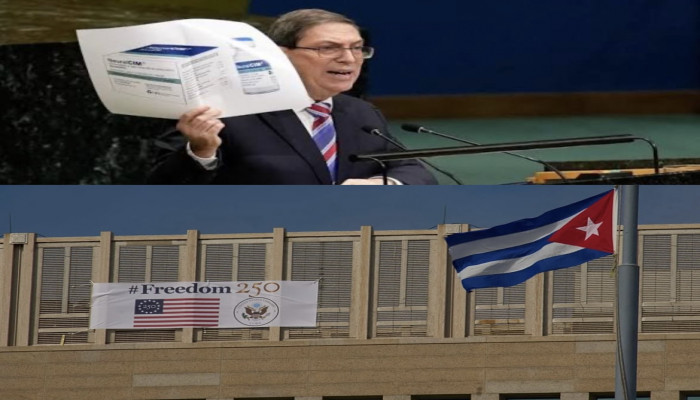
The United Nations General Assembly has condemned the US economic embargo on Cuba for the 34th consecutive year. However, support for the resolution dropped sharply after the Trump administration urged countries to change their positions.
The resolution received 130 votes in favour, 17 against and 25 abstentions on Wednesday, October 28. Last year, 165 countries supported it, while seven voted against and 12 abstained. Germany, Italy and Latvia were among the Western countries that abstained.
The resolution is non-binding and cannot force Washington to end the embargo. Only the US Congress can lift the restrictions, which have remained in place for more than six decades.
US Ambassador to the UN Mike Waltz welcomed the shift in voting patterns, crediting Washington's diplomatic efforts for influencing countries.
"I'm satisfied that so many countries now, including major economies like Korea, Germany, and others, have shifted their position," Waltz told reporters after the vote.
Before the vote, Cuban Foreign Minister Bruno Rodríguez criticised the embargo, saying it harmed ordinary citizens.
“A great power is attacking through economic war a member state of this organisation,” Rodríguez said. “Cuba is not a threat. The blockade is a threat.”
Tensions escalated during a General Assembly debate on Tuesday, when Waltz and Rodríguez clashed over the embargo. The exchange involved shouting and required intervention by UN personnel.
On Wednesday, Waltz accused Cuban diplomat Richard Tur de la Concepcion, a first secretary at Cuba's UN mission, of assaulting an American diplomat during the confrontation. He said the Cuban diplomat would be expelled from the United States. Cuba also filed a complaint with UN Secretary-General Antonio Guterres over the American diplomat involved.
The vote comes as Cuba struggles with a severe economic and energy crisis. Fuel, food and water shortages, along with power cuts, have disrupted essential services, including water supplies and communications.
US President Donald Trump's administration increased pressure on Havana in January by threatening tariffs on countries supplying oil to Cuba. The move has sharply reduced fuel imports and worsened the island's difficulties.
Washington says the sanctions aim to pressure Cuba's communist government into changing its policies. Havana has rejected US accusations and blamed the restrictions for worsening living conditions.
The US imposed the embargo in 1960 after Fidel Castro's revolution overthrew Cuban leader Fulgencio Batista. The new government subsequently nationalised property owned by US citizens and companies.



 Loading...please wait
Comments