




UK legislator Rupert Lowe calls for strict action after Pakistan rejects convicted criminal’s deportation
- In Reports
- 08:54 PM, Jul 11, 2026
- Myind Staff
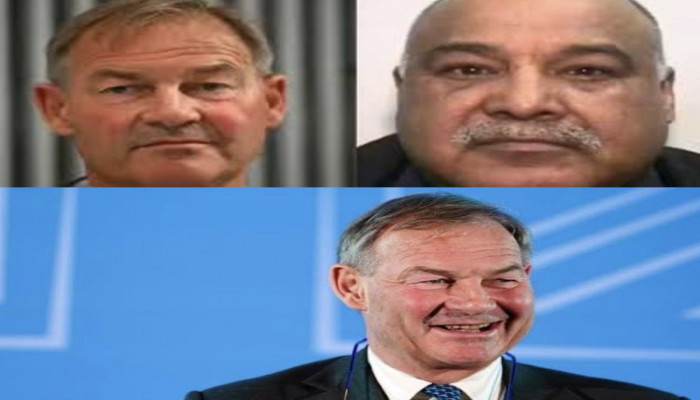
British MP Rupert Lowe has proposed a strict policy toward Pakistan after the country refused to accept the deportation of convicted rapist Shabir Ahmed from the United Kingdom. Lowe said his proposed measures would send a strong message to Islamabad and increase pressure until Pakistan agrees to take back deported criminals from the UK.
In a post on X, the Great Yarmouth MP and leader of Restore Britain explained what his government would do if his party came to power. He said Pakistan would be declared a "rogue state" on the very first day. He believes this step would allow the UK to take strong economic and political action against the country. Lowe said the aim is to force Pakistan to cooperate with the UK's deportation efforts.
Lowe also outlined several measures that he wants the UK to introduce. He said his government would stop all immigration from Pakistan to Britain. He also proposed trade sanctions and higher tariffs that could affect Pakistan's economy. Along with these measures, he suggested placing a tax on money transferred from the UK to Pakistan. He also wants the UK to end all foreign aid to Pakistan and demand that the country repay money already spent by Britain.
The MP said these actions should not be limited to the UK alone. He believes other countries should join the effort to increase pressure on Pakistan. According to Lowe, coordinated action by several nations would make it much harder for anyone to avoid the restrictions. He argued that a united international response would be more effective than action taken by a single country.
Lowe said the restrictions should remain in place until Pakistan accepts large numbers of deported criminals from the UK over a long period. Only after Pakistan meets that condition should discussions begin on removing or easing the measures. While explaining his position, Lowe said any action should be “swift, ruthless and brutal” to make the message clear.
His remarks came after renewed attention on the case of Shabir Ahmed, who was linked to the Rochdale grooming gang scandal. Ahmed was convicted in 2012 for serious sexual offences involving underage girls. The court sentenced him to 22 years in prison. He later secured early release after serving around 14 years of his sentence. He now lives under strict monitoring in the UK and wears a GPS tracking tag.
Ahmed's case has triggered political debate over the UK's deportation policy. The British government has tried to remove him from the country, but those efforts have not succeeded. Existing legal protections under the 1971 Commonwealth immigration law have created barriers to his deportation. Pakistan has also refused to accept him, which has prevented British authorities from completing the process.
The case has once again raised questions over how the UK handles the deportation of foreign criminals. It has also renewed debate over the country's immigration laws and its agreements with other nations on accepting deported citizens. Lowe has used the issue to argue for a much tougher approach toward Pakistan and has called for strong economic and diplomatic pressure until the country changes its position.
His proposal reflects his broader stance on immigration and foreign policy. Lowe believes firm action would encourage Pakistan to cooperate with the UK's demands. He also argues that working with other countries would strengthen the impact of these measures and reduce the chances of people finding ways around the restrictions. His comments have added fresh momentum to the political discussion surrounding the UK's deportation system and its relationship with Pakistan.



 Loading...please wait
Comments