



UAE turns to US for financial help as Iran war shows no signs of ending
- In Reports
- 01:42 PM, Apr 20, 2026
- Myind Staff
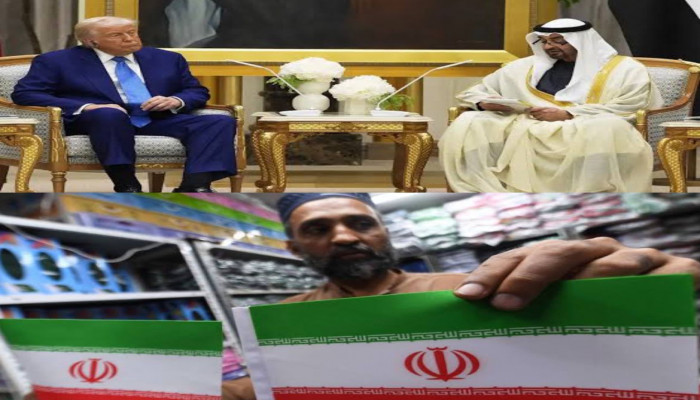
The United Arab Emirates has reportedly initiated discussions with the United States to secure a potential financial safety net, as uncertainty surrounding the ongoing conflict with Iran continues to grow. According to a report by The Wall Street Journal, these talks are focused on creating a financial buffer that could support the UAE’s economy if the situation worsens further.
The discussions took place in Washington last week and involved senior officials from both countries. At the centre of the proposal is the idea of a currency swap line. This was suggested by UAE Central Bank Governor Khaled Mohamed Balama during meetings with representatives from the Federal Reserve and the US Treasury. Among those present was Treasury Secretary Scott Bessent. The proposal is still at an early stage and is being seen as a precautionary step rather than a formal request for assistance.
Officials from the UAE have indicated that while the country has managed to avoid severe economic damage so far, concerns remain about how the conflict could evolve. The possibility of escalation has raised fears that the economy may come under pressure. A financial arrangement like a currency swap line could act as a safeguard against sudden economic shocks. It would provide stability if financial conditions deteriorate.
The ongoing conflict, which began on February 28, has already started to affect the region’s economic environment. One of the major concerns is the disruption to energy infrastructure and oil shipments. The Strait of Hormuz, a critical route for global oil transport, has faced interruptions. This has reduced a key source of dollar inflows for the UAE. Such disruptions could weaken the country’s financial position if they continue for a long time.
There is also growing concern that prolonged instability could impact the UAE’s role as a global financial hub. The country has built a strong reputation as a stable destination for investment and trade. However, continued uncertainty may lead to capital flight. Foreign investors might move their funds to safer markets if risks increase. There are also fears that foreign currency reserves could come under strain if economic pressures rise.
Despite these challenges, UAE leaders have continued to focus on maintaining economic stability and ensuring that key sectors remain functional. UAE President Sheikh Mohamed bin Zayed Al Nahyan recently held talks with Fujairah’s ruler Sheikh Hamad bin Mohammed Al Sharqi. Their discussions centred on national priorities and development plans. Both leaders emphasised that public welfare remains a central focus of government policy and long-term planning.
During the visit, the leaders also reviewed operations at Fujairah Port. They assessed measures aimed at ensuring business continuity and maintaining operational efficiency. The port was described as a key national asset. It plays an important role in supporting the UAE’s economy and global energy markets. It also strengthens the country’s position as a major hub for international trade.
Meanwhile, the scale of the conflict’s impact has been highlighted by UAE Minister of State for International Cooperation Reem Al Hashimy. In an interview on ABC’s This Week, she stated, “the country has been hit by more than 2,800 missiles and drones since the US-Israeli war with Iran began.” This reflects the intensity of the situation and the level of risk faced by the country.
The ongoing discussions with the US show that the UAE is taking early steps to prepare for possible economic challenges. While no formal agreement has been reached, the idea of a financial safety net indicates a cautious and forward-looking approach. The country is aiming to protect its economy from potential shocks while continuing to manage the immediate effects of the conflict.



 Loading...please wait
Comments