




Trump’s Saudi nuclear agreement sparks global concern over missing safeguards
- In Reports
- 01:08 PM, Jul 22, 2026
- Myind Staff
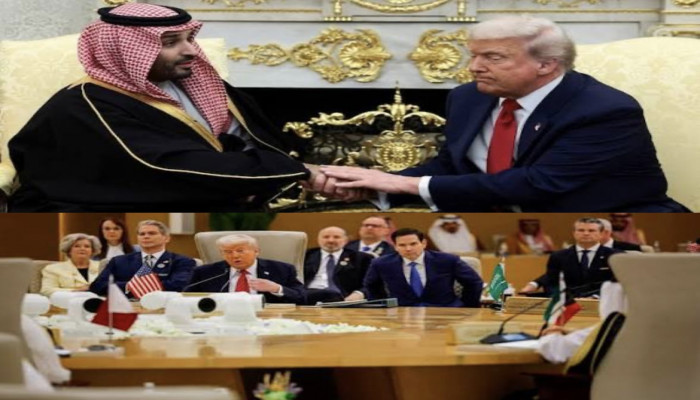
US President Donald Trump has approved a new civilian nuclear agreement with Saudi Arabia that removes key safeguards the United States has traditionally included in such deals. The agreement will remain in force for 30 years and is expected to be worth tens of billions of dollars. It gives American companies a major role in building and expanding Saudi Arabia’s nuclear infrastructure. The move has raised concerns among experts, who believe the absence of strict conditions could increase the risk of nuclear weapons development in the region.
According to a Reuters report, the Trump administration is preparing to submit the agreement to the US Congress in the coming days. People familiar with the matter said the package includes a "123 Agreement" signed by US Energy Secretary Chris Wright and Saudi Energy Minister Prince Abdulaziz bin Salman. Under US law, such an agreement is necessary before the United States can cooperate with another country on civilian nuclear projects.
The "123 Agreement" gets its name from Section 123 of the US Atomic Energy Act. It serves as the legal framework that allows the United States to share civilian nuclear technology, equipment and expertise with partner nations. Washington has usually included strict safeguards in these agreements. These measures ensure that countries use nuclear technology only for peaceful purposes and do not divert it toward developing nuclear weapons.
The new agreement marks a major shift from that long-standing policy. It removes several safeguards that previous US administrations considered essential. Experts say the deal allows Saudi Arabia to enrich uranium within its own borders. Uranium enrichment can support civilian nuclear energy programmes. It can also help produce material for nuclear weapons if a country chooses that path.
Security experts have expressed concern over this provision. They believe the lack of stronger restrictions could allow Saudi Arabia to move closer to developing nuclear weapons in the future. Many analysts also point to the growing security tensions in the Middle East, which continue to influence the kingdom's strategic decisions.
Saudi Arabia has previously linked its nuclear ambitions to developments in neighbouring Iran. Crown Prince Mohammed bin Salman once declared that the kingdom would seek its own nuclear weapons if regional rival Iran were to pursue one. His statement has remained an important factor in discussions about Saudi Arabia's nuclear programme.
Iran's uranium enrichment programme has remained a major source of tension in the region for years. The United States and Israel have strongly opposed Tehran's efforts to expand its nuclear capabilities. Their opposition eventually led to a large-scale military confrontation that increased instability across the Middle East.
Saudi Arabia has also found itself caught in the middle of these regional conflicts. The kingdom hosts more than 2,300 US military personnel. Most of them are stationed at Prince Sultan Air Base. Iran has repeatedly targeted Saudi facilities while responding to US and Israeli military actions. These attacks have added to concerns about the kingdom's security and its long-term defence strategy.
The latest escalation came when Iran launched a highly distributed, three-vector military strike package targeting critical infrastructure and a joint military base inside Saudi Arabia. The attack marked the first direct Iranian strike on Saudi territory in about four months. The incident highlighted the fragile security situation in the Gulf and renewed fears of a wider regional conflict.
Supporters of the new agreement argue that stronger nuclear cooperation between Washington and Riyadh will deepen strategic ties between the two countries. The deal also creates major business opportunities for American companies that will help develop Saudi Arabia's civilian nuclear sector over the next three decades.
Critics, however, believe the removal of key safeguards weakens global non-proliferation efforts. They warn that allowing domestic uranium enrichment without stricter conditions could encourage an arms race in the Middle East. They also fear that other countries may seek similar agreements in the future, reducing international standards designed to prevent the spread of nuclear weapons.
The proposed agreement will now face scrutiny in the US Congress. Lawmakers are expected to examine its long-term security implications and its impact on regional stability before deciding its future. The outcome of that review could shape US nuclear cooperation policies and influence the balance of power across the Middle East for years to come.



 Loading...please wait
Comments