




Trump’s Greenland threat casts shadow over Iceland referendum
- In Reports
- 06:27 PM, Aug 29, 2026
- Myind Staff
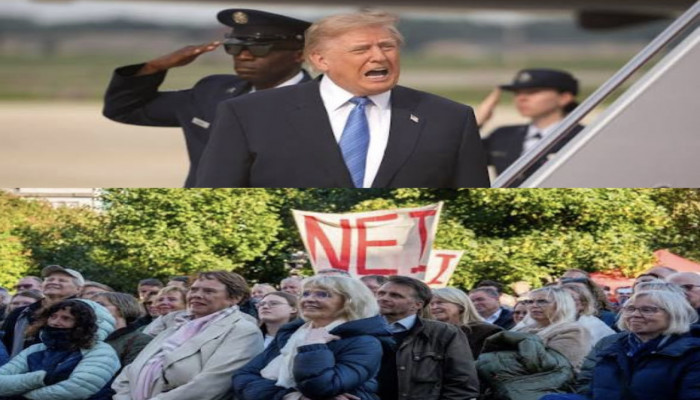
Icelanders went to the polls on Saturday to decide whether the country should restart its long-delayed negotiations to join the European Union. The referendum comes at a time of growing concern over US President Donald Trump’s repeated interest in controlling Greenland. Iceland lies only 180 miles (290 km) from Greenland, making developments around the self-governing Danish territory a major concern for many Icelanders.
Around 265,000 voters were eligible to take part in the referendum. The question before them was straightforward: Should Iceland resume accession negotiations with the European Union? A rejection would likely end the issue for at least a generation. A yes vote would allow Iceland to begin talks with the European Commission, the EU’s executive branch. The negotiations would cover 35 areas, including the economy, human rights and other policy matters.
Supporters of EU membership argue that closer ties with the bloc could give Iceland greater protection if Trump’s ambitions in the North Atlantic grow. They see membership as a possible safeguard against pressure from larger powers. Opponents remain concerned about the impact of EU membership on Iceland’s fishing industry. Experts expect the referendum to produce a close result. More than 20% of voters had already cast their ballots before election day, according to Iceland’s public broadcaster RÚV.
Trump’s statements about Greenland have changed the debate in Iceland. His interest in gaining control of the territory became particularly prominent at the start of this year. Although Trump has said he does not plan to use force to take Greenland, his interest in the territory has continued. The developments have raised a difficult question in Iceland: if Greenland were taken over, could Iceland eventually face similar pressure?
That concern has also strengthened the argument for closer ties with Europe. Supporters of the referendum believe EU membership could provide Iceland with a stronger political and economic shield. Iceland’s left-leaning coalition government, which came to power in 2024, shares that view. The government moved ahead with the referendum earlier than planned. It had originally intended to hold the vote next year.
“We can’t really trust the U.S. anymore,” said Hildur Knútsdóttir, a horror fiction writer who plans to vote in favour of EU membership.
The debate over EU membership is not new in Iceland. The country previously pursued membership but formally ended its efforts in 2015. Concerns over control of its fishing resources played a major role in that decision. Fishing remains one of the most important parts of Iceland’s economy and also holds deep cultural significance.
Iceland’s waters are rich in cod and haddock. The country’s people have relied on the sea for centuries, dating back to the Viking settlers who established communities on the island. The fishing industry remains a major source of wealth and has been carefully managed by Iceland. Many voters fear that joining the EU could affect that control.
EU membership would require Iceland to follow the bloc’s common fisheries policy. This could give fishing fleets from countries such as Spain and the Netherlands access to Icelandic waters. The Icelandic government has said it would seek a special arrangement during negotiations. It could even seek a complete exemption from the common fisheries policy.
Prime Minister Kristrún Frostadóttir has also tried to clarify what a yes vote would actually mean. She has stressed that the referendum would not decide whether Iceland ultimately becomes an EU member. A yes result would only allow accession negotiations to restart. If those talks eventually lead to a membership agreement, Icelanders would have another opportunity to vote on it.
“This is not an election about membership and not about adaptation, as there will be another referendum on an accession agreement if the result is yes,” Frostadóttir told a rally.
For many Icelanders, the debate goes beyond fishing and economics. It also touches on the country’s national identity and its long history of protecting its independence. Iceland became independent from Denmark in 1944. It has often resisted pressure from larger European powers, including Britain.
That history includes the Cod Wars of the 1970s. Iceland fought Britain over fishing rights in the waters around the island and ultimately secured control over its fishing grounds. The disputes remain an important part of Iceland’s national story and continue to shape views on European integration.
Supporters of EU membership say Iceland should strengthen its relationship with its European neighbours. They argue that cooperation is increasingly important when countries face challenges such as climate change, which crosses national borders. They also point out that Iceland already has close links with the EU.
Iceland is part of the EU’s single market, which allows the largely frictionless movement of goods, services, capital and people. It is also part of the Schengen free-travel area. However, Iceland has kept its own currency, the Icelandic krona, which is less stable than the euro. The country also maintains control over some of its trade agreements, including a deal with China.
Opponents of EU membership argue that this arrangement already gives Iceland many advantages of European integration without requiring it to give up as much control over its own affairs. Former Prime Minister Katrín Jakobsdóttir supports maintaining the current relationship with the bloc.
“I think Iceland is better off outside of the EU, within close collaboration with the EU,” former prime minister, Katrín Jakobsdóttir, told The Associated Press.
The referendum has therefore brought together several major questions for Iceland. Voters are weighing closer European integration against control over fishing and national sovereignty. At the same time, Trump’s position on Greenland has added a new security concern to an old debate. The result could determine whether Iceland reopens EU membership talks after more than a decade, while the final decision on joining the bloc would still remain with Icelandic voters.



 Loading...please wait
Comments