




Trump’s 200% tariff policy on generic medicines puts India’s pharma exports at risk
- In Reports
- 01:23 PM, Jul 22, 2026
- Myind Staff
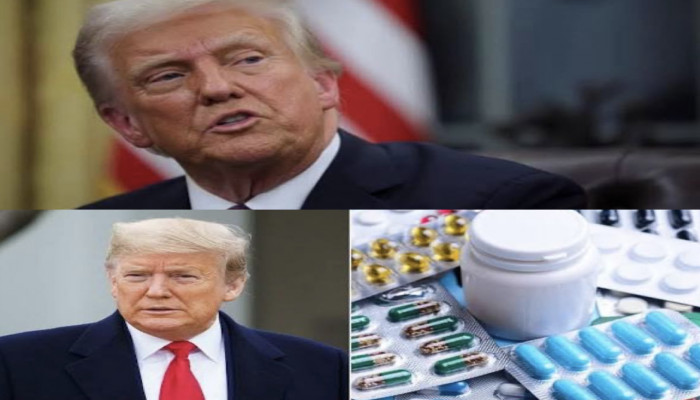
US President Donald Trump has announced a new tariff policy on imported generic medicines that could significantly affect India’s pharmaceutical industry. The decision aims to push global drug manufacturers to shift production to the United States. Trump’s announcement on his Truth Social platform said that the move would help strengthen domestic pharmaceutical manufacturing while protecting American interests.
Under the new policy, imported generic medicines will continue to face a zero per cent tariff for the next two years. This arrangement will remain in place from August 1, 2026, until July 31, 2028. From August 1, 2028, the US will impose a 100 per cent tariff on imported generic medicines for one year. After that, the tariff will increase to 200 per cent, making imports far more expensive.
The announcement has raised concerns in India, which is the world's largest supplier of generic medicines. The United States remains the biggest market for Indian pharmaceutical exports. A sharp increase in tariffs could reduce the competitiveness of Indian drug makers in the American market and affect export revenues.
According to a report by the Global Trade Research Initiative (GTRI), India exported pharmaceutical products worth $9.7 billion to the United States in 2025. These exports accounted for 38 per cent of India's total pharmaceutical exports, which stood at $25.8 billion during the year. The figures highlight the importance of the US market for India's pharmaceutical sector.
Indian pharmaceutical companies supply a wide range of affordable generic medicines to the United States. These medicines help treat several major health conditions, including hypertension, diabetes, cancer, infectious diseases and mental health disorders. Millions of patients in the US rely on these medicines, making India a key partner in the country's healthcare supply chain.
Trump said the tariff policy would encourage pharmaceutical companies to set up manufacturing facilities inside the United States during the transition period. The administration has provided companies with two years to relocate their production before the higher tariffs take effect. Firms that continue manufacturing generic medicines outside the US after the transition period will face the new tariff structure.
Announcing the policy on Truth Social, Trump said, "The objective of this policy is to protect the people of the United States." He also said the current policy covering patented, branded and innovative medicines would remain unchanged. The new tariff plan applies only to imported generic medicines.
Trump further claimed that pharmaceutical manufacturing facilities are expanding rapidly across the United States. He said companies have already started investing in new production units and manufacturing projects. The administration expects the tariff policy to speed up this process and increase domestic production capacity over the coming years.
The announcement marks another major step in Trump's effort to promote manufacturing within the United States. His administration has repeatedly introduced tariff measures across sectors to encourage companies to produce goods domestically rather than rely on imports.
For India, the development presents a major challenge. Indian pharmaceutical companies have built a strong presence in the US over several decades through affordable and high-quality generic medicines. The proposed tariff structure could increase costs for exporters and force companies to reassess their long-term business strategies in the American market.
Industry experts are likely to closely monitor how pharmaceutical companies respond during the two-year transition period. Some firms may consider expanding manufacturing operations in the United States to avoid the higher tariffs. Others may explore alternative export markets while evaluating the financial impact of the proposed policy.
The announcement also highlights the growing focus of the United States on strengthening domestic manufacturing in critical sectors such as pharmaceuticals. The coming years will determine how global drug makers adapt to the new policy and how it reshapes international pharmaceutical trade. For India, the decision could have significant consequences, given its dominant position in the global generic medicine industry and its heavy dependence on the US market for pharmaceutical exports.



 Loading...please wait
Comments