



Trump warns of ‘finishing off’ Iran, expresses disappointment towards non-responsive allies
- In Reports
- 08:10 PM, Mar 18, 2026
- Myind Staff
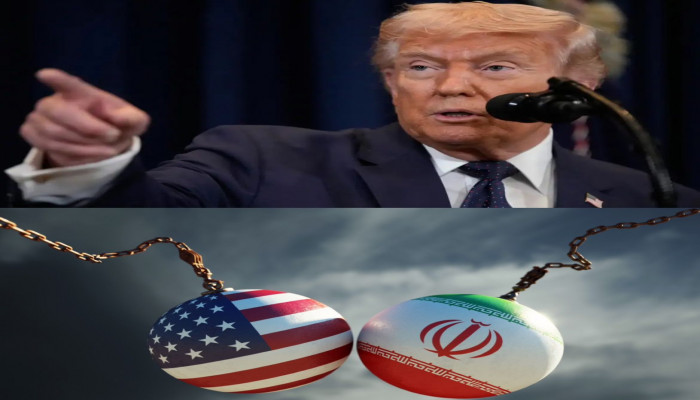
US President Donald Trump has issued a sharp and controversial warning regarding Iran, saying that the country could be completely dealt with if tensions continue to rise. He made the remarks in a post on Truth Social, where he used strong language to describe Iran and criticised US allies for not stepping up during the ongoing conflict in West Asia.
In his statement, Trump suggested that the United States may not need support from other nations, even as the situation in the region grows more intense. He said that the US could consider “finishing off what's left of the Iranian Terror State,” making it clear that he believes Iran has already been significantly weakened.
Trump’s message was not limited to Iran. He also directed his frustration toward US allies, accusing them of being slow or unwilling to respond. He described them as “non-responsive,” indicating disappointment over their lack of involvement in supporting US-led efforts.
The remarks come at a time when the conflict involving Iran, the United States, and Israel has entered a critical phase. The situation has already lasted for over two weeks and has created instability across the West Asian region. Military actions, including strikes on key Iranian sites, have intensified tensions and drawn global attention.
Trump also questioned why the United States should continue to bear the responsibility of securing key global routes such as the Strait of Hormuz. This waterway is extremely important for global oil shipments, and any disruption there has a direct impact on international markets. Trump argued that countries which depend more heavily on this route should take greater responsibility for protecting it.
At the same time, Trump claimed that the US has already achieved significant success in its operations. He suggested that a decisive blow had been delivered against Iran and indicated that further action may not require outside assistance. His comments reflect confidence in the US military’s capabilities and signal a willingness to act independently if necessary.
The US President also pointed to what he described as support from within the Middle East for the ongoing actions against Iran. This claim suggests that some countries in the region may be backing the US position, even if traditional allies have shown hesitation. However, there has been no unified global stance, and responses from different countries have varied widely.
Trump’s strong language has raised concerns about further escalation. Statements like these can increase tensions and make diplomatic solutions more difficult. The conflict has already affected several countries in the region, with reports of attacks on infrastructure and rising instability. The possibility of broader involvement by other nations remains a serious concern.
The criticism of allies highlights ongoing divisions among Western and global partners. While some countries agree with the US stance on Iran, they have been reluctant to take part in military operations. This lack of coordination has frustrated the Trump administration, which has repeatedly called for a more united response.
Trump’s remarks also reflect his consistent approach toward Iran. He has long described the country as a major source of instability and has previously taken strict measures, including sanctions and military actions. By calling Iran a “terror state,” he reinforced his position that stronger steps are necessary to deal with the threat.
At the same time, the global community remains cautious. Many countries are urging restraint and emphasising the need for dialogue rather than conflict. The stakes are high, as any escalation could affect not just regional stability but also global economic conditions, especially due to the importance of oil supply routes.
Overall, Trump’s statement has added a new layer of intensity to an already volatile situation. His warning about “finishing off” Iran and his criticism of “non-responsive” allies underline the growing frustration within the US leadership. As the conflict continues, the focus will remain on whether diplomatic efforts can prevent further escalation or if tensions will move toward a more serious confrontation.



 Loading...please wait
Comments