




Trump warns NATO allies of consequences if they don’t support efforts to reopen Strait of Hormuz
- In Reports
- 01:53 PM, Mar 16, 2026
- Myind Staff
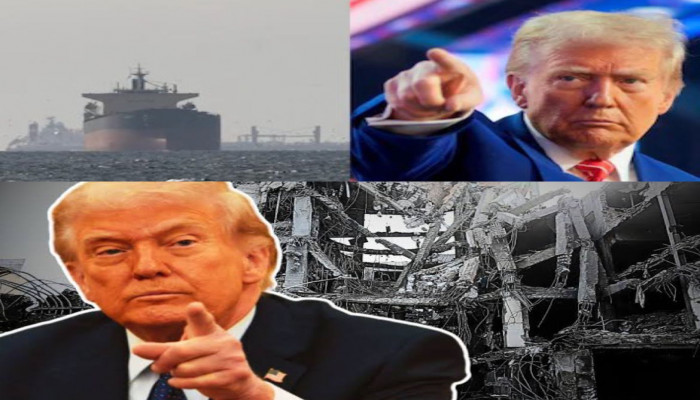
United States President Donald Trump has warned that the North Atlantic Treaty Organisation (NATO) could face a troubling future if its member nations do not support Washington’s attempts to reopen the strategic Strait of Hormuz. His remarks come as tensions continue to rise during the ongoing conflict involving the United States, Israel, and Iran in the Middle East. Trump made the comments during an interview with the British newspaper Financial Times, where he urged allied countries to join the United States in ensuring that the important maritime route is reopened and secured.
Trump called on partner countries, especially those in Europe, to cooperate with the United States in what he described as a collective effort to protect the crucial waterway. The Strait of Hormuz is considered one of the most important shipping routes in the world because nearly one-fifth of global oil supplies pass through it. According to reports, tanker movements have been severely restricted by Iran after the war began more than two weeks ago, creating serious concerns for global energy markets.
During the interview, Trump suggested that countries benefiting from oil shipments through the strait should also take responsibility for ensuring that it remains open and safe. He said it would be fair for nations that depend on the waterway for energy supplies to actively participate in protecting it. Trump warned that if NATO members either refuse to assist or respond negatively to the United States’ request, it could have serious consequences for the future of the alliance. He indicated that such a response would raise doubts about the long-term cooperation and unity within NATO.
NATO is a military alliance made up of 31 countries from North America and Europe. It was created to provide collective defence, meaning that if one member nation is attacked, all other members are expected to come to its support. The United States plays a central role in the organisation by contributing the largest share of military resources, funding, and strategic leadership. Because of its significant influence within the alliance, Washington often takes the lead in major security operations.
Trump also reflected on the support the United States has provided to its allies in the past, particularly in the war in Ukraine. He pointed out that the US has backed European countries even though the conflict is geographically far from American territory. According to him, Washington has consistently stood by its allies during difficult times, and now it is time to see whether those allies are willing to support the United States in return. Trump suggested that he has long believed the US has been reliable in helping its partners, but he is not always confident that the same level of commitment would be shown toward America.
The US President also mentioned the possibility of delaying a planned meeting with Chinese President Xi Jinping later this month. Trump hinted that the meeting could be postponed if China does not cooperate in efforts to restore normal shipping through the Strait of Hormuz. He stressed that China relies heavily on oil imports from the Gulf region. Hence, has a strong reason to support actions that would ensure the safe movement of oil tankers through the strait.
The latest developments come as tensions in the Middle East have increased sharply since the United States and Israel began military operations against Iran on February 28. The situation has had a direct impact on shipping activity in the Strait of Hormuz, a narrow but highly important waterway connecting the Persian Gulf to the open ocean. Iran has effectively limited tanker movement in the area, raising fears of further disruptions in global oil supplies.
As a result of these developments, global oil prices have risen significantly. International crude oil prices have climbed above USD 100 per barrel since the conflict began. Before the war started, oil prices were trading at around $ 72-73 per barrel. The sharp increase reflects growing concerns about supply disruptions and instability in the region.
Trump has previously stated that the US Navy could escort oil tankers through the Strait of Hormuz to ensure that shipments continue without interruption. However, no specific plan or operational steps have been officially announced so far. The White House has confirmed that discussions are being held with several countries to form a coalition that could provide naval escorts for ships travelling through the waterway. Despite these talks, details about how such an operation would work have not yet been finalised.



 Loading...please wait
Comments