




Trump to release classified reports of Chinese interference in 2020 US elections
- In Reports
- 06:54 PM, Jul 16, 2026
- Myind Staff
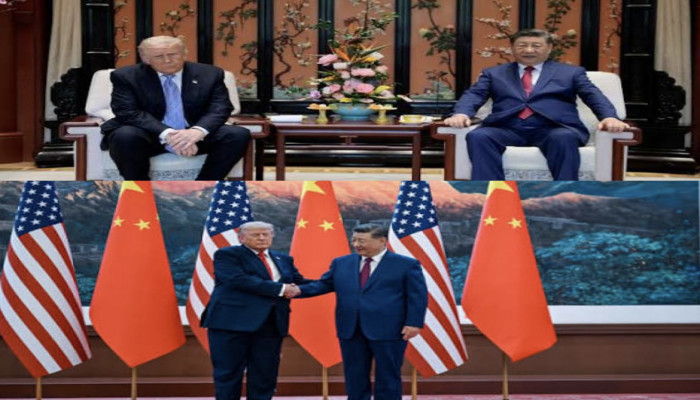
The White House is considering releasing classified intelligence related to China and its alleged ability to interfere in US elections. The move has sparked concern among some officials from the Trump administration, who fear the information could create a misleading impression about what happened during the 2020 presidential election.
According to people familiar with the discussions, President Donald Trump may reveal the intelligence during a speech scheduled for Thursday evening. He is expected to speak about what his administration describes as weaknesses in the US voting system that could allow foreign countries to interfere in American elections. Reuters could not confirm the exact contents of the classified material.
Sources said the intelligence was collected and examined during Trump's first term. It focused on whether China had the intention or the capability to interfere in the 2020 election. However, the intelligence did not conclude that Beijing manipulated votes or changed the election outcome. The sources shared the information on the condition of anonymity due to the classified nature of the material.
Trump has continued to claim that the 2020 election was rigged. He has repeatedly suggested that a foreign country played a role in changing votes despite several court rulings confirming that Democrat Joe Biden won the election.
Trump's upcoming speech may also highlight a year-long effort by his administration to gather and review intelligence on what the White House considers weaknesses in the country's election infrastructure. The effort forms part of a broader campaign to increase federal involvement in election administration, although the US Constitution gives states the primary responsibility for conducting elections.
White House spokeswoman Karoline Leavitt dismissed speculation about the contents of Trump's speech. She said, “As usual, anonymous sources are speculating about what President Trump will say during his speech on Thursday evening. The truth is, nobody knows yet what President Trump will ultimately say."
The intelligence under discussion played a major role during debates within the first Trump administration over foreign interference in the 2020 election. Officials also reviewed it while preparing the US intelligence community's official assessment on election interference, according to the sources.
During Trump's first term, administration officials publicly warned that Chinese hackers were targeting election infrastructure ahead of the 2020 election. Even so, several former officials have repeatedly stated that they found no evidence showing China or any other foreign power manipulated votes.
A 2021 assessment by the US intelligence community concluded that no foreign actor attempted or succeeded in changing any technical part of the 2020 election. The report stated there were no signs of interference involving voter registrations, ballots, vote counting or the final election results.
However, not everyone within the intelligence community agreed with that conclusion. Christopher Porter, who served as the national intelligence officer for cyber at the Office of the Director of National Intelligence, wrote a dissent arguing that China could interfere in US elections and may have attempted to do so.
Officials included a version of Porter's dissent in the public release of the 2021 intelligence assessment. Porter also prepared a highly classified report that expanded on his concerns, according to two sources familiar with the document.
Two sources who reviewed the classified report described it as detailed. They said it included specific information about Beijing's thinking on US elections. Two other sources offered a different view. They said the report relied on a limited amount of raw intelligence and did not necessarily reflect China's official position.
Porter has publicly accused the intelligence community of hiding his dissenting reports during Trump's first administration. He declined to comment when asked about the latest developments.
Several sources expressed concern that the Trump administration could present Porter's dissent as stronger evidence than it actually provides. They worry officials could use it to argue that China influenced the outcome of the 2020 election, even though previous intelligence findings did not support that conclusion.
The Chinese embassy in Washington did not immediately respond to a request for comment.
Current Trump administration officials have also debated whether to declassify the intelligence. Some intelligence officials fear that releasing the material could expose sensitive sources and methods used to collect intelligence. They also worry the public could wrongly assume the information proves China successfully interfered in the 2020 election.
A White House task force led by conservative journalist John Solomon recently requested documents related to the intelligence from the US intelligence community. According to a source familiar with the group's work, the task force has spent the past several weeks reviewing the material ahead of Trump's speech.
The White House did not respond to questions about Solomon's role or the task force's work. One source said officials have not finalised the speech and could still make changes before Trump delivers it.
The administration may also release information linked to an old allegation that China accessed US voter data during the 2020 election. A source familiar with the discussions confirmed that possibility.
Two people familiar with that issue said voter data is not confidential. Political consultants already use the information to target campaign material. They also said the data cannot be altered to change election results.
Both the Trump and Biden administrations reviewed intelligence related to China's possible access to voter information. However, two former officials said the intelligence community largely concluded that China did not break into US voter systems. Instead, analysts believed China obtained the information from publicly available online sources.



 Loading...please wait
Comments