



Trump terms two-week Iran ceasefire ‘total victory’, credits China
- In Reports
- 01:18 PM, Apr 08, 2026
- Myind Staff
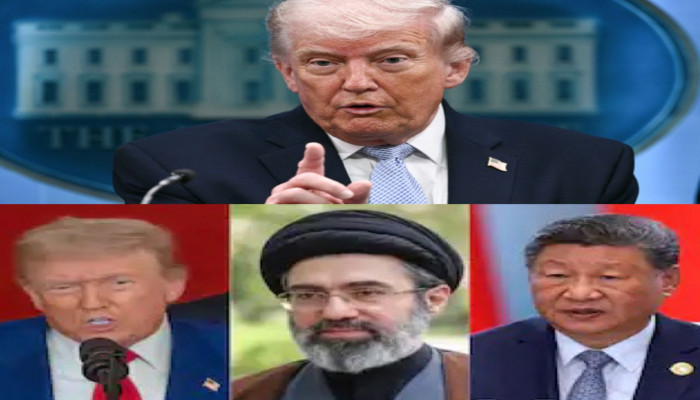
US President Donald Trump on Wednesday described the recently agreed ceasefire arrangement with Iran as a “total and complete victory.” The announcement came after he confirmed that the United States would suspend its planned military actions against Iran for a period of two weeks. Trump shared the development on Truth Social, highlighting the role of multiple international actors in shaping the decision.
According to Trump, the pause in hostilities followed discussions with Shehbaz Sharif and Asim Munir. He said both leaders from Pakistan urged him to delay the use of force against Iran. Taking their request into account, Trump agreed to hold back military action, but he linked this decision to a specific condition involving Iran’s strategic commitments.
Trump stated, “Based on conversations with Prime Minister Shehbaz Sharif and Field Marshal Asim Munir, of Pakistan, and wherein they requested that I hold off the destructive force being sent tonight to Iran, and subject to the Islamic Republic of Iran agreeing to the COMPLETE, IMMEDIATE, and SAFE OPENING of the Strait of Hormuz, I agree to suspend the bombing and attack of Iran for a period of two weeks.” This condition places significant importance on the reopening of the crucial maritime route.
The Strait of Hormuz is a vital passage for global oil shipments. Any disruption in this region can impact international energy markets and trade routes. Trump’s statement indicates that the US sees the reopening of this route as essential for ensuring stability and reducing tensions in the region. The demand for its “complete, immediate, and safe” reopening shows the urgency attached to the issue.
In his remarks, Trump also credited China for playing a role in bringing Iran to the negotiating table. He suggested that Beijing’s involvement helped push Tehran toward discussions, which eventually led to the temporary ceasefire arrangement. This reflects the broader geopolitical dynamics at play, where multiple global powers are influencing developments in West Asia.
Trump’s declaration of a “total and complete victory” suggests that he views the outcome as favourable for the United States. The agreement to halt military operations, even temporarily, appears to be framed as a strategic win, especially with the condition tied to the Strait of Hormuz. The statement also signals a pause in what had been escalating tensions between the US and Iran.
The involvement of Pakistan in the discussions adds another layer to the situation. By mentioning direct conversations with Pakistani leadership, Trump highlighted their role in de-escalation efforts. This suggests that diplomatic channels, alongside strategic interests, played a key part in shaping the decision to delay military action.
The two-week ceasefire now depends on Iran’s response to the stated condition. If Iran agrees to reopen the Strait of Hormuz as demanded, it could lead to a temporary easing of tensions. However, the situation remains uncertain, as the pause is limited in duration and subject to compliance.
Overall, Trump’s announcement reflects a mix of diplomacy and strategic pressure. While he has paused military action, the conditions attached show that the US is still seeking specific outcomes from Iran. The coming days will be crucial in determining whether this temporary truce leads to further negotiations or if tensions rise again after the two-week period ends.



 Loading...please wait
Comments