




Trump signs 14-point memorandum with Iran ending the war
- In Reports
- 01:07 PM, Jun 18, 2026
- Myind Staff
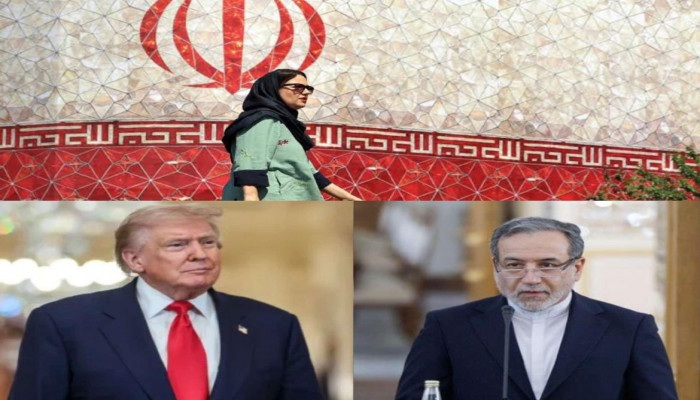
US President Donald Trump has signed a 14-point memorandum of understanding (MoU) with Iran during the G7 Summit in France, marking the end of months of conflict between the two countries. Before the agreement was signed, Trump defended the deal during an hour-long press conference. He also warned Tehran that if negotiations fail, the United States could launch bombs again.
With signatures from both sides now in place, Iran and the US will enter a 60-day negotiation period focused on Iran’s nuclear programme and the disposal of its enriched uranium. The agreement represents a major diplomatic step after a three-month-long war. However, the final deal reflects a much softer set of objectives than the goals Trump had outlined before February.
When the conflict began, Trump repeatedly stated that the United States wanted to achieve several major goals. These included overthrowing Iran’s ruling regime, ending its nuclear programme, and destroying its military capabilities.
If Trump's statements are taken at face value, one of those objectives may have been achieved. According to the US president, Iran’s military suffered severe damage during the conflict. However, the remaining goals appear to have faded over time. The regional energy crisis caused by the US-Israeli war created new challenges and changed the direction of negotiations.
The final agreement highlights where Washington fell short of its earlier ambitions. Trump had previously expressed interest in influencing Iran’s future leadership and having a say in the selection of the country's next Supreme Leader. He had also raised issues related to Iranian oil and the strategic Strait of Hormuz.
None of these issues is included in the final agreement. The deal contains no provisions regarding elections or political reforms. As a result, Iran will continue to be governed under the same Islamic system that has been in place since 1979.
The Strait of Hormuz remains another area of concern. Under the agreement, Iran is required to ensure the reopening of the waterway within 30 days and restore maritime traffic to pre-war levels. The deal also includes a clause stating that Iran must keep the strait open without any restrictions for 60 days.
However, this provision only applies to the initial period. It does not specifically prevent Iran from introducing a toll on ships later. The Strait of Hormuz has traditionally been a free passage for international shipping, particularly for Asian countries that rely heavily on energy imports. Due to the economic damage caused by the war, some observers believe Iran could consider introducing a toll in the future as a way to generate revenue.
Iran also stands to benefit financially from the agreement. The United States has promised sanctions relief and the release of frozen Iranian assets. These measures are expected to provide significant economic support to Tehran.
Another major issue concerns a proposed $300 billion reconstruction fund for Iran. Trump had previously denied the existence of such a plan. However, the fund is mentioned in the document signed on Wednesday.
Addressing the issue, US Vice President JD Vance said the money would not come from Washington. According to him, Gulf nations would provide the funding. Nevertheless, regardless of the source, billions of dollars are expected to flow into Iran as part of the rebuilding effort.
Vance also stated that the management of these investments would remain under the control of Gulf countries if “Iran starts to behave like a normal country.”
The agreement further ends the US naval blockade of Iranian ports. This move will allow Iran to resume the transportation and sale of its oil in international markets. The decision is expected to provide another economic boost to the country.
The deal has also created political debate in Washington. Even before the official text was released, details of the memorandum began appearing in media reports. The leaked information sparked criticism from both sides of the political spectrum.
Many Republicans aligned with Trump were reportedly surprised by the contents of the draft agreement. At the same time, Democrats criticised the president for attacking the 2015 nuclear deal negotiated under former President Barack Obama while now supporting an agreement that appears similar in several respects.
Trump and Vance dismissed the leaked drafts and questioned their authenticity. However, after the final document became public, many observers noted that its wording closely matched the versions that had circulated earlier in the week.
The agreement may have ended active hostilities between the United States and Iran, but it has also raised questions about whether Washington achieved the broader objectives it initially set out to accomplish. While the deal addresses nuclear negotiations and regional stability, several of Trump's earlier goals were ultimately left out of the final framework.



 Loading...please wait
Comments