



Trump signals early end to Iran war as Hormuz reopening takes back seat
- In Reports
- 12:18 PM, Mar 31, 2026
- Myind Staff
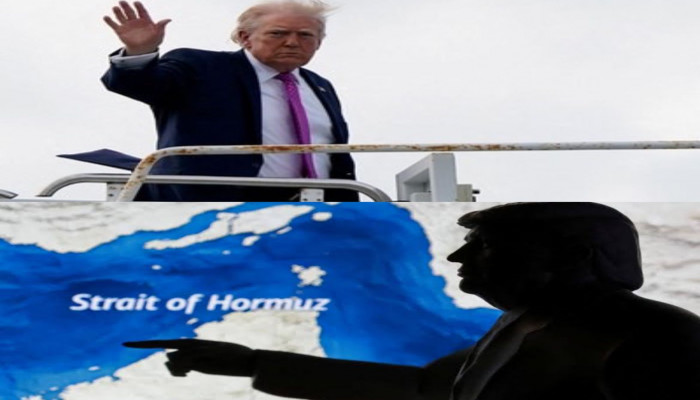
Five weeks into the ongoing conflict with Donald Trump’s military campaign against Iran, the United States appears to be shifting its priorities. According to a report by The Wall Street Journal, Trump has indicated to his aides that he is willing to conclude Operation Epic Fury even if the strategically important Strait of Hormuz remains largely closed. This marks a significant change in approach, as reopening the waterway was earlier seen as a critical goal.
Officials cited in the report explained that any attempt to reopen the strait would be highly complex. Such an operation could extend the conflict well beyond Trump’s preferred timeline of four to six weeks. This concern appears to have influenced the administration’s decision to deprioritise immediate action on the chokepoint. The Strait of Hormuz is one of the world’s most crucial oil transit routes, and its continued closure has already driven up global energy prices. If the United States chooses not to act immediately, it could leave Tehran with greater control over the waterway.
Despite the push for a quicker end to the war, the United States has continued to strengthen its military presence in the region. Over the weekend, the USS Tripoli was deployed along with more than 2,500 Marines. In addition, Trump is considering sending another 10,000 ground troops. There are also discussions about launching a complex mission aimed at seizing Iran’s uranium. These developments suggest that while Washington may want to end the conflict soon, it is still preparing for significant military actions if needed.
In recent days, Trump and his team have reassessed their strategy. According to the report, they concluded that reopening the Strait of Hormuz by force would likely prolong the conflict. Instead, the administration is now focusing on what it describes as its “core objectives.” These include weakening Iran’s naval capabilities and reducing its missile stockpiles. Once these goals are achieved, the plan is to gradually wind down hostilities while applying diplomatic pressure on Tehran to restore normal trade flows through the region.
If diplomatic efforts do not succeed, the United States may look to its allies for support. Officials told the newspaper that Washington could urge countries in Europe and the Gulf region to take the lead in reopening the strait. This would allow the US to step back while still ensuring that global trade routes are eventually restored.
The shift in priorities was also visible during a recent White House briefing. Press Secretary Karoline Leavitt stated that ensuring safe passage for oil tankers through the Strait of Hormuz is not one of the “core objectives” set by Trump for ending the military operation. This statement reinforced the administration’s current stance that reopening the waterway is no longer an immediate focus.
Meanwhile, Marco Rubio addressed the issue in an interview with Al Jazeera. He expressed confidence that the situation would eventually be resolved. "It will be open because Iran agrees to abide by international law and not block the commercial waterway, or a coalition of nations around the world and the region, with the participation of the United States, will make sure that it’s open," Rubio said.
Even after facing heavy losses, including damage to parts of its navy and continued US airstrikes, Iran has maintained its stance on the waterway. It has continued to threaten commercial shipping passing through the Strait of Hormuz. The disruption has reduced the flow of oil and contributed to rising crude prices worldwide. However, Tehran has allowed some ships from friendly nations, including India, to pass through the route.
Throughout the conflict, Trump’s position on the Strait of Hormuz has shifted multiple times. On Monday, he warned that the US could target Iran’s oil facilities and power plants if the waterway was not reopened immediately. At other times, he has played down its importance to the United States and suggested that it is an issue for other countries to address. This changing stance highlights the complexity of the situation and the challenges involved in balancing military goals with global economic concerns.



 Loading...please wait
Comments