



Trump rejects Iran’s phased peace plan over disagreement on nuclear programme
- In Reports
- 01:00 PM, Apr 28, 2026
- Myind Staff
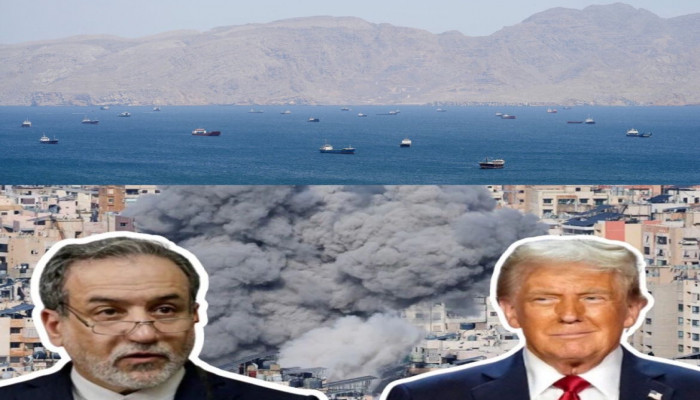
US President Donald Trump has expressed strong dissatisfaction with Iran’s latest proposal to resolve the ongoing conflict in West Asia, reducing the chances of any immediate diplomatic breakthrough. The proposal comes after two months of war that has disrupted global energy supplies and contributed to rising inflation. According to reports citing US officials, the plan put forward by Tehran does not meet Washington’s primary demand of addressing Iran’s nuclear programme at the very beginning of any agreement.
Iran’s proposal suggests a phased approach to peace. It first calls for an end to the US-Israel war and seeks guarantees that hostilities will not resume. The next step focuses on resolving maritime tensions, including lifting the US naval blockade and reopening key shipping routes, especially in the Strait of Hormuz. Only after these steps does Iran propose addressing more sensitive issues such as its nuclear programme and uranium enrichment rights. However, US officials have made it clear that this sequencing is not acceptable.
A senior US official familiar with Trump’s recent discussions revealed that the president rejected this approach. The administration believes that the nuclear issue is central to any long-term resolution and cannot be delayed. This position was also reinforced by US Secretary of State Marco Rubio, who stressed the importance of tackling Iran’s nuclear ambitions upfront.
“We can’t let them get away with it,” Rubio said in a Fox News interview Monday. “We have to ensure that any deal that is made, any agreement that is made, is one that definitively prevents them from sprinting towards a nuclear weapon at any point.”
Trump has consistently maintained that preventing Iran from developing nuclear weapons was one of the key reasons behind the conflict. This firm stance has now created a major obstacle in ongoing peace efforts. The disagreement over how and when to address the nuclear issue has led to a deadlock, further weakening hopes for diplomatic progress.
The situation has also affected planned negotiations. Talks that were scheduled to take place in Islamabad were called off after Trump cancelled a visit by envoy Steve Witkoff and adviser Jared Kushner. In response, Iran’s Foreign Minister Abbas Araqchi has increased diplomatic outreach, travelling to countries including Pakistan, Oman and Russia. During his visit to Russia, he met President Vladimir Putin, who remains a key ally of Tehran.
The disagreement between the US and Iran has also surfaced at the global level. At the opening of the UN Nuclear Non-Proliferation Treaty (NPT) review conference, both sides clashed over Iran’s nuclear activities. The controversy intensified after Iran was elected as one of the 34 vice-presidents of the conference, a move supported by the Non-Aligned Movement.
The US strongly opposed this decision and was backed by several countries, including Australia, the UAE, the UK, France and Germany. Washington said it was “deeply shocked” that a country it accused of showing “contempt” for the treaty had been given such a position. Russia, however, defended Iran and opposed singling it out. Iran’s envoy Reza Najafi dismissed the criticism, calling it “baseless and politically motivated.”
Meanwhile, concerns over maritime security continue to grow. Several countries have called for the reopening of the Strait of Hormuz, a critical global shipping route. In a joint statement led by Bahrain, dozens of nations urged for access to be restored. Iran has accused the US of engaging in “piracy” by seizing its oil shipments in the strait. At the same time, Tehran has hinted that it may ease restrictions in the region if the US lifts the blockade and ends the conflict.
The ongoing tensions have had a significant impact on global markets. Oil prices have surged sharply, with Brent crude witnessing a steep rise. The Strait of Hormuz, through which nearly one-fifth of the world’s oil supply passes, has seen a drastic drop in tanker traffic. Ship-tracking data shows that only a few vessels have been able to pass through in recent days, compared to over 100 daily shipments before the conflict began. Several tankers linked to Iran have also been forced to turn back due to the US blockade.
With both sides holding firm on their positions, the chances of a quick resolution remain slim. The disagreement over Iran’s nuclear programme continues to be the biggest hurdle, keeping the region on edge and global markets under pressure.



 Loading...please wait
Comments