



Trump postpones military strikes on Iranian power plant, describes talks as ‘very good and productive’
- In Reports
- 06:21 PM, Mar 23, 2026
- Myind Staff
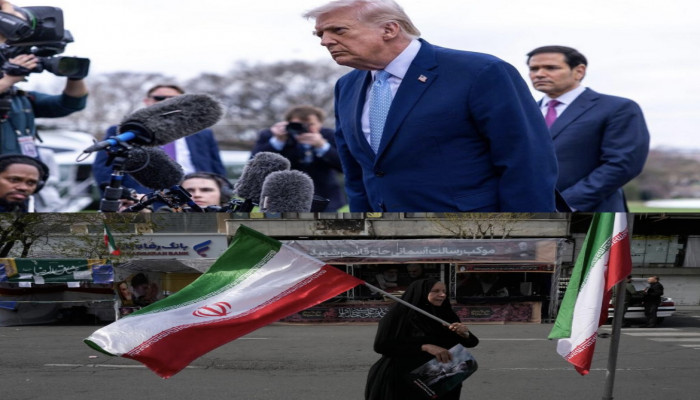
President Donald Trump has decided to postpone planned military strikes on Iranian power plants, indicating a temporary move away from escalation as diplomatic efforts gain momentum. The decision comes at a time when tensions between the United States and Iran have been rising sharply due to the ongoing conflict in West Asia. By delaying the strikes, the US administration appears to be creating space for dialogue while keeping its strategic options open.
According to the report, Trump confirmed that the US would hold off on attacking Iran’s energy infrastructure for a limited period following recent talks between the two sides. He described these discussions as "very good and productive", suggesting that they have opened a possible path for easing tensions. The move is being seen as an attempt to balance military pressure with diplomatic engagement, rather than immediately escalating the conflict further.
The strikes, which were earlier under consideration, were expected to target Iranian power plants as part of a broader response to developments in the region. These potential actions had raised serious concerns about a wider conflict, especially given Iran’s earlier warnings that it would retaliate strongly if its infrastructure was attacked. By postponing the strikes, the US has signalled that it is willing to give negotiations a chance before taking more aggressive steps.
The delay is expected to last for a few days, during which diplomatic communication is likely to continue. This period is seen as crucial, as both sides may use it to explore ways to reduce tensions and avoid further confrontation. Trump’s statement indicates that the US is closely watching how the situation develops and is prepared to adjust its strategy depending on the outcome of these talks.
The ongoing crisis has already had significant implications, not just for the region but also for global markets. Concerns over possible attacks on energy infrastructure had pushed oil prices higher and created uncertainty in financial markets. The announcement of a delay in military action has brought some relief, with markets responding positively to the possibility of de-escalation.
At the same time, the situation remains fragile. While the postponement reduces the immediate risk of conflict, it does not eliminate it entirely. The underlying tensions between the US and Iran continue to exist, and any breakdown in talks could quickly lead to renewed escalation. Both sides remain cautious, and the next steps will depend heavily on how the ongoing discussions progress.
The conflict has also highlighted the strategic importance of energy infrastructure in the region. Iranian power plants and other facilities are seen as critical assets, and any attack on them could have far-reaching consequences. This includes not only the risk of retaliation but also disruptions to energy supplies and broader economic impacts.
Trump’s earlier stance had been more aggressive, with clear warnings about possible military action if certain conditions were not met. However, the current pause reflects a more measured approach, suggesting that diplomacy is being given a chance before any final decision is made. The use of the phrase "very good and productive" indicates a level of optimism, though it remains uncertain whether this will translate into a lasting resolution.
International observers are closely monitoring the situation, as any escalation could have global consequences. The Middle East plays a crucial role in energy supply chains, and instability in the region often leads to ripple effects across the world. The delay in strikes has therefore been welcomed by many as a step that could help prevent further escalation.
Despite this, the coming days are expected to be critical. If the talks lead to tangible progress, it could reduce tensions and create a more stable environment. On the other hand, if negotiations fail, the possibility of military action remains, and the conflict could intensify once again.
In conclusion, Trump’s decision to postpone strikes on Iranian power plants represents a temporary shift towards diplomacy in a highly tense situation. While the move has eased immediate concerns, the broader conflict remains unresolved. The outcome of ongoing talks will play a key role in determining whether this pause leads to a longer-term solution or simply delays further confrontation.



 Loading...please wait
Comments